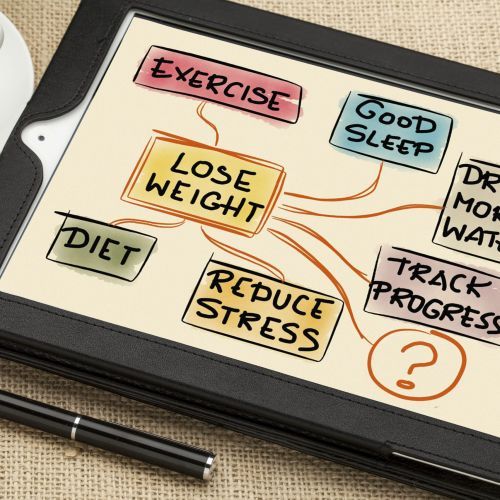
Picking the right weight loss program comes down to three things: real medical supervision from a physician or nurse practitioner, genuine support and education that builds lasting habits, and a focus on fat loss rather than a quick number on the scale. Avoid programs that promise overnight results or skip a health assessment, and choose a plan you can actually live with long term.
If you are out of breath after a flight of stairs or tired of running on empty, you may be ready to take real steps toward a healthier weight. The hard part is not finding a program, it is finding the right one. The best choice is one that fits your health, your habits, and your life, so the weight you lose stays off. Below are three practical tips to help you compare your options with confidence.
How do you choose the right weight loss program?
Choose a program that is medically supervised, teaches lasting habits, and aims for steady fat loss rather than a quick number on the scale. According to the National Institutes of Health, the best plan is one that is backed by science and tailored to your health, preferences, and values, so you can stick with it for the long haul. A program built on a thorough physician-led medical weight loss evaluation checks all three of those boxes at once.
Many people jump straight to whatever diet a friend recommends or whatever ad they saw last week. That is understandable, but it skips the most important question: does this program fit me? Your age, your medical history, your schedule, and your budget all shape what will actually work. The three tips below give you a simple framework for cutting through the noise and choosing a program you can trust.
Tip 1: Look for real doctor supervision
Is there a physician or nurse practitioner on staff to guide your weight loss and keep your overall health a priority? This matters more than most people realize. By ordering and interpreting your blood work, a qualified provider can spot underlying issues that quietly stall progress.
A sluggish thyroid, high cholesterol, or elevated blood sugar can all make weight loss harder, and each needs to be addressed for your overall health. The Mayo Clinic recommends checking with your provider before starting any weight-loss plan, especially if you have a health condition or take medication. If your labs point to an underactive thyroid, treating that underlying thyroid dysfunction that slows metabolism is often the missing piece, and progress that felt impossible can finally start moving.
Medical oversight also keeps you safe. A clinician monitors how your body responds, adjusts your plan as needed, and helps you avoid risky shortcuts. That is the core difference between a commercial diet and a true medically supervised weight loss service staffed by healthcare professionals.
Tip 2: Prioritize support and education
Accountability is one of the strongest predictors of long-term success. Look for a program that supports and encourages you throughout your journey, helps you stay on track, and keeps your goals in sight with regular weigh-ins, health tips, and nutrition guidance.
Lasting results depend on getting the proper tools and education, so you not only lose the weight but also keep it off. A comprehensive nutrition plan that involves buying and preparing your own food, with a nutritionist available to guide you through meal plans and recipes, is also very important. Learning what a healthy diet actually looks like, plus simple tricks you can use day to day, sets you up for long-term maintenance.
Why does education matter more than a meal kit? Because once a prepackaged plan ends, you are left with the habits you built along the way. The Arthritis Foundation advises choosing a program that emphasizes healthier eating, more physical activity, and behavioral strategies rather than a quick fix. Programs that teach you how to read a label, build a balanced plate, and handle a tough day without giving up are the ones that help you keep your results for years, not weeks.
Tip 3: Focus on fat loss, not just the scale
Find a program that teaches you to concentrate on losing fat and that understands the difference between fat loss and overall weight loss. Rapid drops on the scale often come from water and muscle, not fat, which can leave you weaker and slow your metabolism.
The right plan encourages a moderate exercise routine to burn fat while building muscle, which helps raise your metabolism over time. The CDC recommends adults aim for about 150 minutes of moderate aerobic activity each week, paired with muscle-strengthening activity, for lasting health benefits. Building lean muscle is especially valuable because muscle burns more calories at rest than fat does, so protecting it keeps your results moving in the right direction. Pairing smart nutrition with movement is the foundation of an effective doctor-guided fat loss program.
What to avoid when comparing programs
Steer clear of plans that promise dramatic results overnight or push expensive proprietary products. The CDC notes that a safe, sustainable pace is generally about 1 to 2 pounds per week. Be cautious of any program that cuts out entire food groups, skips a health assessment, or has no qualified staff to answer your questions. Flexibility matters too, since the plan you can actually live with is the one that works.
It also helps to ask a few direct questions before you commit. Who supervises my care, and what are their credentials? How will my progress be tracked, and how often? What happens after I reach my goal, and is there a maintenance plan? A program with clear, confident answers respects your time and your health. One that dodges these questions is telling you something important.
Frequently Asked Questions
What is medically supervised weight loss?
Medically supervised weight loss is a program led by a physician or nurse practitioner who reviews your health history, orders lab work, and monitors your progress. The provider can identify hidden barriers, recommend appropriate treatments, and adjust your plan safely as your body changes, which a do-it-yourself diet cannot do.
How fast should I expect to lose weight?
A safe and sustainable pace is generally 1 to 2 pounds per week. Faster loss often means losing water and muscle rather than fat, and it is harder to maintain. Steady, gradual progress protects your metabolism and makes it far more likely the weight will stay off for good.
Do I need blood work before starting a weight loss program?
Blood work is one of the most valuable first steps. Lab results can reveal a sluggish thyroid, insulin resistance, high cholesterol, or other issues that make weight loss difficult. Treating those root causes first often unlocks progress that diet and exercise alone could not achieve.
What is the difference between fat loss and weight loss?
Weight loss is any drop in total body weight, including water and muscle. Fat loss specifically targets stored body fat while preserving lean muscle. Protecting muscle keeps your metabolism strong, so a quality program focuses on fat loss through balanced nutrition and regular movement.
Is exercise required to lose weight?
While nutrition drives most weight change, regular activity helps you burn fat, preserve muscle, and keep weight off long term. National guidelines suggest about 150 minutes of moderate activity per week. Even a moderate routine improves results and supports your overall health.
All of these aspects, and many more, are offered at any of our conveniently located Tampa Bay clinics. For more information, call and book a no cost consultation at ageRejuvenation today.
Ready to take the next step?
Talk with the AgeRejuvenation team about a Medical Weight Loss plan built around your labs and goals.