Hair naturally thins and grays with age as the growth phase shortens, pigment cells decline, and hormones shift. Roughly 55 percent of women have some hair loss by 70. Medical options like minoxidil, PRP, and hormone therapy, plus good nutrition, hydration, gentle handling, and stress control, help you keep fuller, healthier hair at any age.
As we age, our bodies undergo many changes, and our hair is no exception. Both men and women tend to experience graying, thinning, and some degree of hair loss as they grow older. While these changes can feel distressing, there are several ways to address them, from medical treatments to simple lifestyle habits. Let's explore how aging affects hair and the proven steps that help you keep healthy, vibrant locks.
How does aging change your hair?
Aging shrinks the active growth window of each hair and dials back the pigment that gives hair its color, so strands grow thinner, shorter, and grayer over time. These shifts are gradual and almost universal, which is why so many people notice a wider part or a softer hairline in their 40s and beyond.
Hair grows in a natural cycle with three phases: anagen (growth), catagen (transition), and telogen (resting). As we age, the anagen phase becomes shorter, which leads to finer, more brittle hair. At the same time, the follicles that make melanin, the pigment responsible for hair color, slow down, and according to the U.S. National Library of Medicine, hair gradually loses pigment and turns gray as those pigment cells decline. The number of active follicles also drops, so density decreases.
Hormones play a major role too. As estrogen and progesterone fall during and after menopause, hair can thin and shed more easily. In men, a rise in dihydrotestosterone (DHT) drives male pattern baldness by shrinking follicles over time.
How common is age-related hair loss?
Age-related thinning is extremely common, not a rare problem. Mayo Clinic reports that about 55 percent of women experience some hair loss by the time they reach 70. In women the signs are often subtle at first, such as a wider part or wispier strands at the crown, while in men a receding hairline or thinning crown is more obvious.
Female pattern hair loss is the most frequent cause in women, and it is both genetic and hormonal. Because hair disorders are often time sensitive, acting early gives you more treatment options and better results.
Understanding the Aging Process and Its Impact on Hair
If you want a clear picture of what is driving your shedding, a medical evaluation can sort age-related thinning from other causes such as thyroid issues, low iron, medication side effects, or stress. Knowing the underlying cause is the first step toward a plan that actually works. A clinical team focused on physician-guided hair restoration for thinning and shedding can test for these factors and tailor treatment to your needs.
What medical treatments help aging hair?
The most effective options for age-related hair loss are medical treatments that either rebalance hormones, stimulate follicles directly, or block the hormone behind pattern baldness. Many people combine more than one approach for stronger results.
Hormone Replacement Therapy (HRT): HRT aims to rebalance hormone levels in the body. For women whose hair loss is tied to menopause, restoring estrogen and progesterone may support hair growth and thickness. As with any hormone therapy, it is essential to discuss the potential risks and benefits with a healthcare professional before starting.
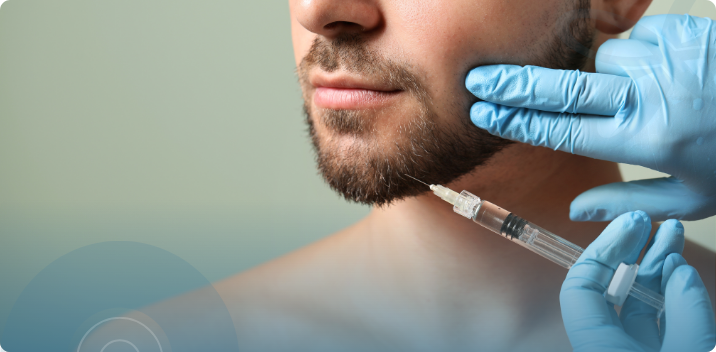
Platelet-Rich Plasma (PRP) Therapy: PRP therapy involves injecting a concentrated solution of platelets drawn from your own blood into the scalp. Platelets contain growth factors that stimulate hair follicles to promote growth and thickness, and PRP has shown promising results for age-related thinning. It is one of several in-clinic options offered through our aesthetic and skin rejuvenation services.
Medications: Minoxidil (Rogaine) and finasteride (Propecia) are FDA-approved treatments for hair loss. Cleveland Clinic notes that a provider may recommend topical minoxidil to treat female pattern hair loss. Minoxidil is applied to the scalp to stimulate growth, while finasteride is an oral medication that blocks DHT, the hormone behind male pattern baldness. According to Harvard Health, medications are the most common treatment for hair loss in women.
Can diet and lifestyle keep your hair healthy?
Yes. Diet and daily habits will not reverse genetics, but they give your follicles the building blocks and protection they need to perform their best. Nutrition, hydration, gentle handling, and stress control all support stronger, healthier hair.
Balanced Diet: A diet rich in vitamins and minerals is crucial for healthy hair. Eat a variety of fruits, vegetables, lean proteins, and healthy fats so your body has the nutrients it needs. Biotin, a B vitamin, is important for hair and can be found in foods such as eggs, nuts, and whole grains.
Hydration: Staying hydrated supports overall health, including your hair. Drink plenty of water throughout the day to keep your body and scalp properly hydrated.
Gentle Hair Care: Treat your hair gently to limit damage and breakage. Use a mild shampoo and conditioner suited to your hair type, and avoid harsh chemicals and high heat. When combing, use a wide-toothed comb and work slowly to prevent pulling.
Stress Management: Chronic stress can contribute to shedding and thinning. Activities such as meditation, yoga, or regular exercise support both your well-being and your hair.
Sun Protection: Long exposure to UV rays can damage hair, causing dryness, brittleness, and color fading. Wear a hat or use products with UV protection when you spend time outdoors.
The American Academy of Dermatology adds a key tip: avoid wearing your hair pulled tightly in buns, ponytails, or braids, because constant tension can cause its own type of hair loss over time.
Embracing Gray Hair
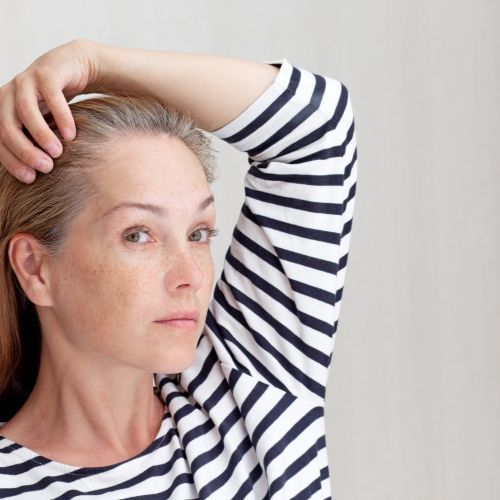
While some people choose to cover gray hair with dye, others embrace their natural silver strands. If you decide to let your gray shine, consider using purple shampoos and conditioners to neutralize yellow tones and keep a bright, healthy appearance. Embracing change does not mean giving up on hair health, and gray hair can look just as vibrant with consistent care.
Aging brings real changes to our hair, but with the right approach you can maintain healthy, beautiful locks at any age. Medical treatments such as HRT and PRP can help address age-related loss and thinning, while a balanced diet, gentle care, and stress management support overall hair health. Whether you choose to embrace your gray or explore treatment, the key to healthy hair is consistent care and attention.
If you are noticing significant hair loss or thinning, it helps to consult a medical professional about your options, including minimally invasive treatments to restore fuller, thicker hair. A trained team can help determine the underlying cause and recommend the most appropriate plan for your individual needs.
Frequently Asked Questions
How do I stop my hair from thinning as I get older?
Start by seeing a professional early, since age-related hair disorders are often time sensitive. Effective steps include FDA-approved medications like minoxidil, in-clinic options such as PRP, treating any underlying cause like hormone shifts or nutrient gaps, and gentle daily hair care to prevent extra breakage.
Which vitamin deficiency causes hair thinning?
Low levels of iron, biotin, zinc, and vitamin D are commonly linked to hair shedding, though deficiency is only one of many possible causes. A balanced diet with lean protein, fruits, vegetables, and healthy fats supports hair, and a blood test can confirm whether a specific deficiency is contributing to your thinning.
At what age does hair start to thin?
Many people notice gradual thinning beginning in their 30s and 40s, and it becomes more common with each decade after that. The active growth phase of each hair shortens with age, so strands grow finer and shorter over time. The exact timing depends heavily on genetics and hormones.
Can age-related gray hair be reversed?
Graying happens when the pigment-producing cells in your follicles slow down and decline, and once that pigment is lost it generally does not return naturally. Most people manage gray hair with dye or choose to embrace it. Purple shampoos can keep silver strands looking bright and free of yellow tones.
Does hormone replacement therapy help with hair loss?
For some women whose thinning is tied to menopause, rebalancing estrogen and progesterone may support hair growth and thickness. HRT is not right for everyone, so the decision should always be made with a healthcare professional who can weigh the potential benefits against the risks for your situation.
Ready to take the next step?
Talk with the AgeRejuvenation team about a Hair Restoration plan built around your labs and goals.