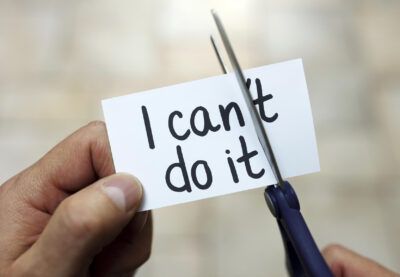
Old eating habits are tough to break because they are tied to emotion, stress, and years of repetition. The fix is not willpower alone but a steady plan: log your meals, swap to whole foods and water, change small habits one at a time, and surround yourself with supportive people. When old patterns keep returning, a physician-guided weight loss program can turn scattered effort into lasting results.
Changing the way you eat is often the hardest part of losing weight. Many people have eaten the same way for years, so the foods they reach for are tied to comfort, memory, and routine. Over time, the body adapts to those patterns too, which makes new choices feel like swimming upstream. The good news is that habits are learned, which means they can be unlearned and replaced with steady, repeatable steps.
Why are old eating habits so hard to change?
Old eating habits are hard to change because they are wired into both emotion and biology. Many people overeat when they feel stressed, bored, or angry, and after enough repetitions the link between food and feeling becomes automatic. Mayo Clinic notes that using food to cope with stress is one of the key barriers to making lasting weight-loss changes. On top of that, comfort foods are often engineered to be hard to resist, so willpower alone rarely wins. Breaking these patterns takes a real plan, not just good intentions, which is exactly where a structured physician-guided medical weight loss program can give you an edge.
What is the first step to changing eating habits?
The first step is to take action and start replacing poor habits with ones that encourage a healthier lifestyle. You do not need to overhaul everything at once. Pick one or two small changes, build them until they feel normal, then add the next. Educating yourself about food and movement should come first, and there are plenty of simple ways to start:
download a calorie counter;
start logging your diet;
speak to a nutritionist or other health professional;
search for nutrition and fitness topics you find interesting;
read a book about nutrition;
or watch videos about healthy eating.
Logging is more powerful than it looks. The CDC recommends recording everything you eat and drink for a few days in a food and beverage diary so you can see your real patterns before you try to change them. Awareness comes first, action comes second.
How fast should you change your diet?
Change your diet gradually rather than all at once, because small, lasting shifts tend to stick better than dramatic overhauls. Harvard Health suggests starting with a few manageable mini-goals, such as cooking dinner at home a few nights a week, that match your current routine. The aim is a pace you can actually keep.
Most health authorities agree that a slow, steady loss is the most sustainable. Aiming for about one to two pounds per week, supported by a modest daily calorie deficit, helps protect your energy and reduces the rebound that so often follows crash diets. That kind of slow burn also gives new habits time to harden into a real lifestyle, which is the whole point.
What habits actually support weight loss?
The habits that work best are simple, repeatable, and built around whole foods. Cleveland Clinic explains that the backbone of a healthy plan is to eat more natural foods and fewer processed ones. A few practical swaps go a long way:
Fill up on lean protein and fiber-rich vegetables, which help you feel full on fewer calories.
Trade sugary drinks for water or seltzer, since liquid calories are easy to overlook.
Use smaller plates and slow down so your brain can register fullness.
Eat without screens so you actually notice when you have had enough.
Mindful, distraction-free eating is one of the most underrated tools you have. When you focus on each bite instead of the TV, you tend to eat less without feeling deprived. Pair these food habits with regular movement and you create the modest energy gap that drives steady fat loss. If unexplained stubborn weight gain keeps creeping back despite your best efforts, that is a signal to look deeper, since hormones, sleep, and stress all play a role.
How do the people around you affect your habits?
The people around you shape your habits more than most of us realize. Emotions and behaviors are contagious, so if you are surrounded by people who are unmotivated or always complaining, it will not be long before you find yourself doing the same things. Flip that, and the effect works in your favor. Mayo Clinic points out that people who keep the weight off long term tend to have support and accountability from others, an approach the American Heart Association echoes in its guidance on lasting change.
If your current environment is holding you back, deliberately change it. Joining a gym, working with a personal trainer, or meeting with a health professional puts you around people who encourage a healthier lifestyle. Surrounding yourself with the right influences is one of the most effective and overlooked strategies for change.
When should you get professional help?
You should seek professional help when willpower and good intentions keep falling short, especially if old habits return again and again or the scale will not budge. A clinician can look beyond food at the metabolic and hormonal factors that quietly drive eating patterns and weight. Exploring the full range of medically supervised weight loss options gives you tools that go further than diet advice alone, from lab work to appetite support and personalized coaching. Educating yourself is a great start, but a guided doctor-supervised weight loss plan turns scattered effort into a system built around your body and your goals.
Frequently Asked Questions
Can I lose weight just by changing my eating habits?
Yes, many people lose weight by changing eating habits alone, because weight loss ultimately comes down to taking in fewer calories than you burn. Adding movement speeds results and improves health, but food choices are the biggest lever. Focusing on whole foods, smaller portions, and fewer sugary drinks is often enough to start steady progress.
How long does it take to change an eating habit?
It varies from person to person, and there is no single magic number. The key is consistency, not speed. Repeating a new choice daily, like swapping soda for water or logging your meals, gradually makes it automatic. Start with one habit, let it become second nature, then layer the next one on top.
Why do I keep going back to old eating habits?
You return to old habits because they are tied to emotion, stress relief, and years of repetition, so they feel comforting and automatic. Triggers like boredom, anger, or a tough day can pull you back. Identifying your personal triggers and planning a healthier response for each one is the most reliable way to break the loop.
What is a calorie deficit and how big should it be?
A calorie deficit means you consume fewer calories than your body uses, which prompts it to draw on stored fat. A modest daily deficit that supports a loss of about one to two pounds per week is widely considered safe and sustainable. A clinician or registered dietitian can help you set a target that fits your needs.
Is it better to make big diet changes or small ones?
Small, gradual changes usually win. Dramatic overhauls are hard to maintain and often lead to rebound eating, while small mini-goals matched to your routine tend to stick. Build momentum with one manageable change at a time, and those small wins add up to a genuine lifestyle shift rather than a short-lived diet.
Ready to take the next step?
Talk with the AgeRejuvenation team about a Medical Weight Loss plan built around your labs and goals.