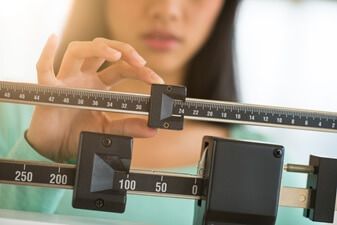
Cardio burns more calories during a workout, but weight training wins for lasting fat loss. Lifting builds metabolically active muscle and triggers an afterburn effect that keeps your body burning energy for hours afterward. The strongest results combine both, and stubborn weight despite training may signal an underlying issue worth a medical look.
Cardio has long been tied to weight loss, while many people fear that lifting weights will only add bulk. That worry, like many nutrition myths, is largely false. Although muscle is denser than fat, building it creates a leaner, tighter shape, and most women simply do not gain size easily. When it comes to fat loss, weight training holds a powerful advantage over cardio alone: it keeps burning calories long after you rack the weights.
Is weight training better than cardio for fat loss?
For lasting fat loss, weight training has the edge, while cardio wins on calories burned during the session itself. Resistance training builds lean muscle that raises how many calories you burn at rest, so the benefits keep working between workouts. The smartest plan usually blends both, and pairing training with medically supervised metabolism support can help when fat loss slows.
Minute for minute, a cardio session typically burns more calories than a lifting session, which is why steady-state running or cycling feels so effective in the moment. According to Healthline's review of the research, the trade-off is that cardio's calorie burn largely stops when you step off the treadmill. Weight training takes longer to catch up during the workout, but it changes your body in ways that pay off around the clock.
How does weight training keep burning calories after a workout?
Weight training triggers an "afterburn" effect, known as excess post-exercise oxygen consumption, where your body keeps using extra energy to repair muscle and restore itself for hours afterward. That elevated metabolism stretches your calorie burn well beyond the gym. After a hard session, your resting energy use stays slightly higher than normal, so even napping or sitting at your desk burns a little more than it otherwise would.
While the extra calories burned during any single hour may look small, they add up fast. Multiply that modest hourly bump across a full day and a half of recovery, then across a week or a month, and the impact on your fat-burning capacity becomes clear. This compounding effect is one reason evidence summarized by Medical News Today shows lifting weights tends to deliver stronger long-term fat loss results than cardio alone.
Why muscle matters for your metabolism
Muscle is metabolically active tissue, meaning it costs energy to maintain even when you are completely still. The more lean muscle you carry, the higher your resting calorie burn, which makes it easier to manage your weight over time. Cardio, by contrast, does little to build muscle, and very high volumes of steady cardio can sometimes chip away at it. That is the core reason resistance training is so valuable inside any serious fat-loss plan.
Your resting metabolism is shaped by more than exercise alone. As the National Institute of Diabetes and Digestive and Kidney Diseases explains, body composition, age, hormones, and daily activity all influence how your body uses energy. Adding muscle is one of the few levers you can actively pull to nudge that metabolic baseline upward, which is why strength work pairs so well with clinical treatments that help reignite a sluggish metabolism when fat loss stalls.
What if you carry stubborn weight despite working out?
Sometimes consistent training and a sensible diet still are not enough, often because hormones, thyroid function, or insulin sensitivity are working against you. When that happens, stubborn weight gain deserves a closer medical look rather than just more cardio. Lab testing can reveal whether an underlying imbalance is blunting your results, so your effort in the gym finally shows up on the scale.
That is where a clinical approach matters. The full menu of weight loss services combines exercise guidance with lab work, nutrition, and prescription options when appropriate, so your plan fits your physiology instead of a generic template. Strength training remains the foundation, but pairing it with the right medical support can break a frustrating plateau.
How to combine weights and cardio for the best results
The strongest body-composition results usually come from doing both, not picking one. A common, well-supported strategy is to lift weights first while your energy is high, then finish with cardio to keep your heart rate elevated and protect cardiovascular health. The Mayo Clinic notes that strength training builds muscle, burns calories, and supports weight management, and it recommends working all major muscle groups at least twice a week.
If you are new to lifting, start with light loads and aim for 12 to 15 repetitions, then progress as you get stronger. Federal activity guidelines also call for muscle-strengthening work on two or more days each week, alongside regular aerobic exercise, as outlined in the physical activity recommendations for adults. Together, those two habits cover both the in-the-moment burn of cardio and the lasting metabolic boost of weight training.
A simple way to start is two full-body strength sessions per week, with a day of rest in between so your muscles can recover and rebuild. On those days, focus on compound movements like squats, rows, presses, and hinges that recruit many muscles at once, since they drive the biggest metabolic response. Add two or three shorter cardio sessions around them, and you cover endurance, heart health, and fat loss without overtraining.
The bottom line: do not abandon cardio, but do not let it crowd out the weights. Building and keeping muscle is what turns short-term effort into a leaner, more resilient body that burns more calories every single day. If the scale still will not budge after weeks of consistent work, that is your cue to look deeper at diet, sleep, stress, and hormones rather than simply adding more time on the treadmill.
Frequently Asked Questions
Is lifting weights better than cardio for losing belly fat?
Both help, but in different ways. Cardio burns more calories during the session, while weight training builds muscle that raises your resting calorie burn and supports long-term fat loss. There is no way to spot-reduce belly fat, so the most effective plan combines strength work, regular cardio, and an overall calorie deficit.
Can I lose weight by lifting weights only, without cardio?
Yes, many people lose fat through strength training alone when paired with a sensible diet, because lifting builds calorie-burning muscle and creates an afterburn effect. That said, adding some cardio improves heart health and increases total calories burned, so most experts recommend including both for the best overall results.
How long does the afterburn effect last after weight training?
The afterburn, or excess post-exercise oxygen consumption, can keep your metabolism slightly elevated for hours after a session as your body repairs muscle and restores itself. The intensity and length of your workout influence how big and how long that boost lasts, with harder resistance sessions generally producing a longer effect.
Will lifting weights make women look bulky?
No. Most women do not produce enough testosterone to build large, bulky muscles from typical strength training. Instead, lifting tends to create a leaner, firmer, more toned appearance while raising metabolism. Building visible bulk requires very specific, intense training and nutrition that everyday workouts will not produce by accident.
Why am I not losing weight even though I work out regularly?
Stubborn weight despite consistent exercise can point to underlying issues like hormone imbalances, thyroid problems, or insulin resistance, along with diet and sleep factors. If your results have stalled, it is worth getting evaluated medically, since lab testing can uncover the root cause and guide a more targeted, effective weight management plan.
Ready to take the next step?
Talk with the AgeRejuvenation team about a Metabolism Boosters plan built around your labs and goals.