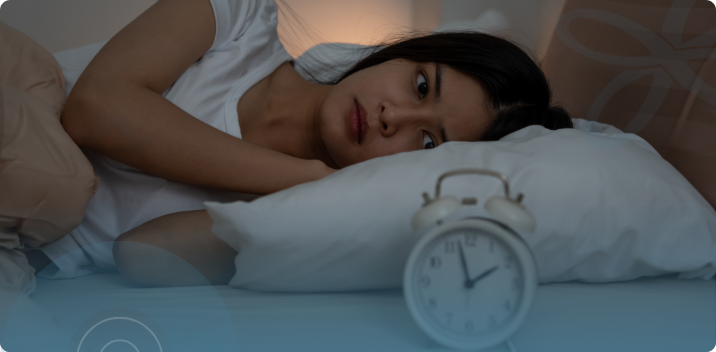
Poor sleep and low energy are often symptoms of deeper imbalances in hormones, cortisol rhythm, thyroid function, gut health, and cellular energy. Rather than masking symptoms with sleep aids, regenerative medicine at AgeRejuvenation uses advanced lab testing plus therapies like BrainTap and BAHI to correct root causes, helping patients reach deeper, more restorative sleep and steadier daytime energy.
A holistic approach to insomnia looks beyond the clock, the bedroom, and the latest sleep app. It asks why your brain is active at night, why you wake up tired after eight hours in bed, and why your energy crashes in the middle of the day. At AgeRejuvenation, regenerative medicine and advanced diagnostics come together to connect sleep struggles with deeper issues like hormone imbalances, elevated stress, poor circulation, bad gut health, and low cellular energy.
For many patients, sleep trouble does not show up alone. It often comes with brain fog, chronic fatigue, or a poor mood. That is why our team treats sleep and energy problems as part of the bigger picture of your health, not as a stand-alone diagnosis.
Why Do Sleep and Energy Problems Need More Than a Quick Fix?
Sleep and energy problems need more than a quick fix because a pill rarely answers the real question: what is throwing your system out of balance? A sleep aid may help for a few nights, but it does not repair the underlying drivers. Poor sleep and low energy affect how you think, move, and manage daily life, so the goal is to find and fix the cause.
Several factors can quietly interfere with deep, restorative sleep:
Hormone shifts that change how your body handles stress or regulates temperature at night.
Chronic stress that keeps your nervous system stuck in "fight or flight."
Nutrient gaps that reduce natural melatonin, serotonin, or energy production.
Gut inflammation or chronic infections that leave your body always on alert.
When these issues are active, your body has a hard time getting into the deep sleep stages needed for repair. The most restorative, slow-wave stage of sleep is when your body repairs tissue, builds bone and muscle, and strengthens immune defenses, according to sleep specialists at Stony Brook Medicine. Miss enough of it and you wake up tired, your focus drops during the day, and it becomes even harder to fall asleep the next night. This loop is exactly what a holistic approach to insomnia tries to break.
Functional Medicine for Sleep: Finding the Root Causes
Functional medicine for sleep focuses on why your brain and body are struggling to rest, not just on how to shut them down at night. At AgeRejuvenation, that starts with a detailed history, a look at your day-to-day habits, and targeted lab testing to uncover hidden drivers of fatigue and insomnia. This whole-body view is the heart of our regenerative therapy program for sleep and energy, which aims to restore function rather than mask symptoms.
Hormones, Stress, and Your Internal Clock
Your sleep-wake rhythm depends on a smooth conversation between cortisol, melatonin, thyroid hormones, and sex hormones. When one piece is off, the others often follow. Cortisol should peak in the morning and fall to its lowest point at night, and the Cleveland Clinic explains that a disrupted cortisol curve can leave you wired when you should be winding down.
Low thyroid function may leave you cold, sluggish, and mentally foggy, even if you think you slept "enough." Fatigue and trouble tolerating cold are classic signs of an underactive thyroid, as Cleveland Clinic notes. Shifts in estrogen, progesterone, or testosterone can also bring night sweats, restless sleep, snoring, and waking up too early.
By checking these hormones rather than guessing, the team can see whether you would benefit from thyroid support, hormone optimization, stress-management strategies, or a mix of all three. Because these drivers often overlap with chronic sleep and energy problems, addressing them together brings the internal clock back into a more natural rhythm so that falling asleep and staying asleep feel easier again.
Nutrients, Gut Health, and Inflammation
Sleep quality also depends on what is happening in your gut and at the cellular level. If your digestion is off or your cells cannot make enough energy, you will feel it in your sleep patterns and in how you function during the day. The brain itself relies on sleep to clear waste and restore the chemistry that supports steady daytime energy, which the National Institute of Neurological Disorders and Stroke describes as essential maintenance for healthy function.
Advanced lab testing can look for vitamin and mineral deficiencies, blood sugar imbalance, and gut problems that may be feeding chronic fatigue. In some cases, supportive therapies are added to help cellular energy and recovery while lifestyle changes take effect.
This is where functional medicine for sleep becomes very practical. You are not just told to "reduce stress" and "sleep more." Instead, you get a plan that might combine nutrition changes, nervous system support, hormone optimization, and regenerative treatments tailored to your lab results.

Regenerative Therapies at AgeRejuvenation That Support Restful Sleep
Once the root causes are clearer, regenerative medicine can help reset and support the systems that control sleep and energy. At AgeRejuvenation, several therapies within our regenerative medicine services are often combined as part of a personalized plan.
How Does BrainTap Therapy Support Calmer Nights?
BrainTap therapy supports calmer nights by using gentle light and sound to guide your brain into more relaxed states. Sessions are designed to help resynchronize brain waves so you can shift out of a constant "on" mode and into the deeper states linked with recovery and sleep.
Many patients with insomnia, chronic fatigue, or stress-related sleep problems use BrainTap therapy as part of their routine. Over time, this kind of brain training can make it easier to let go of racing thoughts at night, drop into deeper stages of sleep, and wake with a clearer head and steadier mood. It works on the nervous system directly, while other therapies address hormones, nutrients, and inflammation.
BAHI Therapy to Recharge Cellular Energy
BAHI therapy, also known as blood antioxidant healing inflammation therapy, is another tool used at AgeRejuvenation to support people who feel drained, wired, or stuck in a cycle of poor rest and low energy. This protocol combines three steps: vibration therapy, red light therapy with hydrogen inhalation, and hyperbaric oxygen. Together, they aim to improve circulation, reduce inflammation, and support cellular energy production.
Patients who receive BAHI therapy often describe more steady daytime energy, less brain fog, and a greater sense of overall wellness. For someone dealing with both sleep disruption and chronic fatigue, this treatment can help rebuild the energy reserve that makes good sleep possible.
Targeted Support for Chronic Fatigue and Sleep Conditions
Many people who seek help for poor sleep also deal with chronic fatigue or long-term brain fog. When this happens, the approach at AgeRejuvenation becomes even more individualized. The care team looks at how stress, hormone changes, nutritional gaps, and gut health may be influencing both daytime exhaustion and disrupted sleep patterns.
Instead of relying on a single therapy, patients receive a plan that aligns their lab results with their symptoms. This may involve supporting thyroid function, improving nervous system balance, and restoring key nutrients that influence rest and recovery. As cellular energy starts to improve and the body becomes more resilient, sleep often becomes deeper and more consistent.
This kind of personalized strategy makes it possible to address fatigue and insomnia together, so patients can rebuild steady energy during the day and experience more restorative rest at night.
Frequently Asked Questions
Can regenerative medicine really help with insomnia?
Regenerative medicine does not cure insomnia overnight, but it targets the root drivers that disrupt sleep, such as hormone imbalance, inflammation, and low cellular energy. By correcting these underlying issues alongside lab-guided lifestyle changes, many patients find that deeper, more consistent sleep follows naturally over time.
What is the most restorative stage of sleep?
Deep, slow-wave sleep is the most restorative stage. During it, your body repairs tissue, builds muscle and bone, and supports immune function. Adults generally need seven or more hours of sleep each night to reach enough of this stage, according to the Centers for Disease Control and Prevention.
Why do I feel tired even after eight hours of sleep?
Feeling tired after eight hours often means your sleep was not truly restorative or that a hormone or metabolic issue is draining your energy. Elevated nighttime cortisol, low thyroid function, nutrient gaps, or gut inflammation can all leave you waking unrefreshed despite enough time in bed.
How do hormones affect sleep and energy?
Hormones set your internal clock. Cortisol, melatonin, thyroid hormones, and sex hormones must work in balance for restful sleep. When cortisol stays high at night or thyroid output drops, you can struggle to fall asleep, wake too early, or feel foggy and exhausted during the day.
Does poor sleep make fatigue worse?
Yes. Poor sleep and fatigue feed each other in a loop. Without enough deep sleep, your body cannot fully repair and recharge, so daytime energy falls. Low energy then raises stress and makes the next night harder. Breaking this loop usually means treating sleep and energy together.
When you are ready to take that step, schedule an appointment so you can sit down with a specialist, review your sleep and energy concerns, and build a plan that helps you wake feeling more like yourself again.
Ready to take the next step?
Talk with the AgeRejuvenation team about a Regenerative Therapy plan built around your labs and goals.