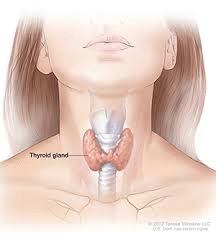
Hypothyroidism affects about 20 million Americans, and women are five to eight times more likely than men to develop thyroid problems, largely due to autoimmunity and Hashimoto's disease. The standard treatment is a daily thyroid hormone pill, usually levothyroxine, dosed with periodic TSH blood tests to restore energy, weight, and mood. Early, monitored care prevents serious complications.
Hypothyroid treatments for women can make a real difference in how you feel every day. Year after year, more and more women are dealing with illnesses tied to an underactive thyroid. The thyroid is a gland found in both men and women, and it is often described as having a wing-like, butterfly shape. It sits on the lower front portion of your neck, just slightly above the collar bone and below your larynx, so it is fairly easy to locate.
The thyroid's core job is closely linked to hormone production and the overall control of your metabolism. These functions are essential to your health, energy, mood, and a balanced life. When the body cannot manage hormone levels well, many signs and symptoms show up, and most of them can be addressed or treated by a medical professional.
Checking your hormone levels matters, because some people, especially women, develop conditions that strongly correlate with low thyroid hormone production. During an exam, a licensed provider will usually locate the thyroid and feel for inflammation or lumps. From there, simple blood work points the way toward the right plan. If you want a deeper look at where thyroid care fits, our hormone health programs designed for women in the Tampa area connect the dots between symptoms and solutions.
What Is Hypothyroidism?
Hypothyroidism is a condition in which the thyroid gland cannot produce enough hormones to keep your metabolism running normally. It affects roughly 20 million Americans, and what makes that number striking is that about 60 percent of people with the condition do not know they have it.
Because the thyroid's main purpose is to make and distribute the hormones that fuel your metabolism, an underactive gland touches nearly every system in the body. When someone has hypothyroidism, getting medical treatment is important rather than optional. Many people with the condition either are unaware of it or choose not to seek care, and that is strongly discouraged from a medical standpoint.
Left untreated, hypothyroidism can lead to more serious problems over time. Some of these include:
Heart problems
Central nervous system damage
Infertility
Death
The reassuring news is that the standard treatment for an underactive thyroid is straightforward. According to Cleveland Clinic, the most common approach is hormone replacement therapy that restores the hormone your thyroid can no longer make. Our team's low-thyroid support visits for women near Tampa start with that same goal: get your levels back into a healthy range so you feel like yourself again.
What Are the Symptoms of Hypothyroidism in Women?
Hypothyroidism symptoms in women often start quietly with fatigue, then expand to weight gain, feeling cold, hair loss, dry skin, brittle nails, constipation, and trouble concentrating. Because these signs overlap with everyday stress, many women dismiss them for months or longer before getting tested.
One of the first indicators of a hormone or metabolism problem is fatigue. As workplaces demand more and more, a growing number of people feel exhausted every day, which makes thyroid-related tiredness easy to overlook. A simple at-home tell is to look at your hands and nails, watching for brittle nails and dry skin, and to notice thinning or loss of hair as a second clue.
Top issues affecting women
Hair Loss
Feeling Cold
Fatigue
Weight Gain
Yellow Skin
Dry Skin/ Brittle Nails
Constipation
Infertility
Poor concentration
Symptoms alone do not confirm the diagnosis. A diagnosis usually rests on blood tests that measure thyroid-stimulating hormone, or TSH, along with the thyroid hormone T-4 when needed. If TSH is high and T-4 is low, that pattern points to hypothyroidism, as Mayo Clinic explains in its overview of how an underactive thyroid is diagnosed and treated. Many of these symptoms also overlap with broader thyroid dysfunction and the energy crashes it causes, which is why testing is the only reliable way to know.
Why Are Women More Likely to Get Hypothyroidism?
Women are far more likely than men to develop hypothyroidism, largely because thyroid disease is closely tied to autoimmunity, which is more common in women. Hashimoto's disease, an autoimmune attack on the thyroid, is the leading cause in the United States and primarily affects middle-aged women.
To understand the gap, it helps to start with autoimmune thyroid disease in general. Graves' disease is an autoimmune condition in which swelling of the neck and eyes is linked to an overactive thyroid, and it is estimated to affect 2 to 3 percent of the world's population. While Graves' drives the overactive side, the same autoimmune tendency that makes women vulnerable to thyroid disease also fuels the underactive side.
The American Thyroid Association states that 1 in 8 American women will develop a thyroid disorder in her lifetime, and that women are five to eight times more likely than men to have thyroid problems. The association is candid that researchers do not fully understand why women carry this increased risk.
Experts widely suspect the answer lies in autoimmunity. Hypothyroidism can stem from Hashimoto's disease, also called chronic lymphocytic thyroiditis, in which the immune system makes antibodies that attack the thyroid gland. The resulting swelling often leads to an underactive thyroid, and the National Institute of Diabetes and Digestive and Kidney Diseases notes that Hashimoto's is the most common cause of hypothyroidism. It mainly affects middle-aged women but can occur in men and women of any age, and even in children.
How Is Hypothyroidism Treated in Women?
The standard treatment for hypothyroidism is a daily thyroid hormone pill, most often levothyroxine, taken to bring your hormone levels back into a healthy range. Treatment is usually lifelong, with periodic blood tests to fine-tune the dose so your energy, weight, and mood stabilize.
Most providers find the right dose by checking your TSH level about six to eight weeks after you start the medicine, then adjusting as needed. The American Academy of Family Physicians notes that levothyroxine replacement is started at a weight-based dose and titrated to normalize TSH, which is why follow-up labs matter so much. Once your numbers stabilize, TSH is often rechecked about once a year.
For best absorption, the medicine is usually taken in the morning on an empty stomach, with water, 30 to 60 minutes before eating. Certain supplements and foods, including iron, calcium, and high-fiber meals, can interfere with how your body absorbs it, so timing and consistency are part of the plan. A thoughtful, monitored approach is exactly what our hormone-balancing care for an underactive thyroid is built around, so dosing fits your body rather than a one-size template.
Why Treating an Underactive Thyroid Matters
Treating an underactive thyroid is about protecting your long-term health, not just easing daily symptoms. When thyroid hormone stays low, the slowdown ripples through your heart, brain, and reproductive system, which is why early treatment is so valuable.
When hypothyroidism goes untreated, complications can build. MedlinePlus warns that, in rare cases, an untreated underactive thyroid can lead to myxedema and pregnancy complications such as premature birth and miscarriage. These outcomes are uncommon with proper care, which is the entire point of getting tested and staying on a monitored plan.
Restoring thyroid balance is a long-term solution, not a short-term fix. With the right dose and regular follow-up, most women see fatigue lift, weight stabilize, and concentration return. The goal is steady, durable balance so the thyroid quietly does its job in the background again.
Frequently Asked Questions
What happens if you do not treat hypothyroidism?
Untreated hypothyroidism allows the body's systems to slow down over time, which can affect the heart, the central nervous system, and fertility. In rare cases it can progress to a life-threatening condition called myxedema coma. During pregnancy, an untreated underactive thyroid raises the risk of complications, which is why ongoing care matters.
Can lifestyle changes reverse hypothyroidism?
For most people, lifestyle changes alone do not reverse hypothyroidism, especially when it is caused by an autoimmune condition like Hashimoto's disease. Diet, sleep, and stress management can support how you feel, but the underlying low hormone production usually still needs medical treatment. A provider can confirm with blood work and tailor the right plan.
Why do women suddenly develop hypothyroidism?
Hypothyroidism often appears gradually rather than overnight, and in women it is frequently driven by autoimmunity. Hashimoto's disease leads the immune system to attack the thyroid, slowly reducing hormone output. Hormonal shifts around pregnancy and midlife can unmask or accelerate the change, so symptoms may seem to surface suddenly even though the process was underway.
How long does it take to feel better after starting treatment?
Many women begin to notice improvement within one to two weeks of starting thyroid hormone medicine, with fuller benefits as the dose is fine-tuned. Because providers adjust the dose based on follow-up blood tests, it can take a few weeks to a couple of months to reach a stable, optimal level. Consistency with timing helps.
Can stress cause thyroid problems?
Stress does not directly cause hypothyroidism, but chronic stress can influence hormone balance and may worsen how thyroid symptoms feel. Because fatigue, weight changes, and low mood overlap with both stress and an underactive thyroid, testing is the only way to tell them apart. Managing stress supports overall hormone health alongside proper treatment.
Ready to take the next step?
Talk with the AgeRejuvenation team about a Thyroid Support plan built around your labs and goals.