An underactive thyroid (hypothyroidism) means the gland makes too little hormone, slowing metabolism across the body. Quiet symptoms like fatigue, weight gain, cold sensitivity, dry skin, and brain fog often hide in plain sight. A blood test confirms it, and supervised hormone replacement safely restores balance once the right dose is found.
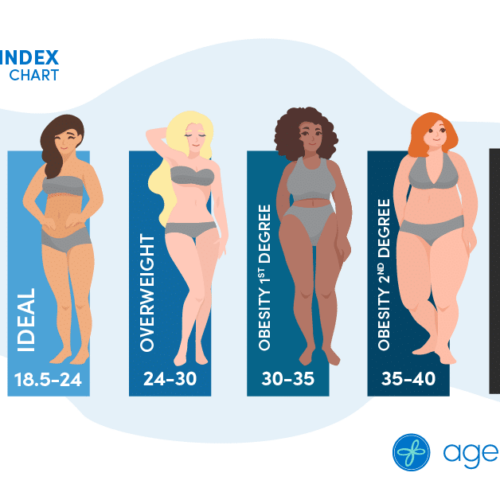
The number of people who live with an inactive thyroid may actually surprise many people. The symptoms tied to the condition are so easy to brush off that countless people chalk them up to stress, aging, or a busy schedule. Life can sometimes move faster than the body can handle, but that lingering exhaustion or the stubborn weight gathering in your midsection may be a quiet signal that your thyroid has slowed down.
Once the thyroid stops working the way it should, the metabolism falls out of balance and nearly every system in the body feels the effect. The good news is that this is one of the most treatable hormone problems there is, once you know what to look for.
What Is an Underactive Thyroid?
An underactive thyroid, known medically as hypothyroidism, happens when the small butterfly-shaped gland at the base of your neck does not make enough thyroid hormone. Because those hormones set the pace for your metabolism, a shortage slows things down across the whole body. According to the Cleveland Clinic, hypothyroidism is a common condition that often develops gradually, which is exactly why so many people have it without realizing it.
The thyroid touches energy, weight, mood, digestion, and even heart rate. When it underperforms, the ripple effects show up in places you might never connect to a gland in your neck. Understanding how this kind of hormone imbalance affects the whole body is the first step toward getting answers.
What Are the Symptoms of a Less than Active Thyroid?
Hypothyroidism symptoms tend to be quiet and slow to build, which is part of what makes them tricky. The most common warning signs include constant fatigue, unexplained weight gain, sensitivity to cold, dry skin, and constipation. The National Institute of Diabetes and Digestive and Kidney Diseases lists these classic symptoms, along with joint and muscle aches and thinning hair.
Many people also notice changes that feel emotional or mental rather than physical. An underactive thyroid gland can contribute to anxiety, low mood, depression, brain fog, and trouble concentrating. Swelling in the legs, abdomen, face, and hands can appear as well. These are only a portion of the signs that point toward hypothyroidism, and because they overlap with so many other issues, testing is the only way to know for sure.
Why Does the Thyroid Slow Down?
The thyroid can lose steam for several reasons, but autoimmune disease is the leading cause in the United States. In a condition called Hashimoto's disease, the immune system mistakenly attacks the thyroid, and the American Thyroid Association notes this autoimmune process as the most frequent driver of an underactive gland. Other causes include certain medications, treatment for an overactive thyroid, and, in rare cases, problems present at birth.
Women are far more likely to develop the condition than men, and the risk climbs with age and after pregnancy. A family history of thyroid disease also raises your odds. None of these factors mean trouble is certain, but they do make it worth paying attention to the signals your body sends.
How Is an Underactive Thyroid Treated?
Many people try adding nutrients and cleaning up their diet, and supportive habits do matter. Yet to truly feel their best and bring the thyroid back to a healthy rhythm, hormone replacement for the thyroid is often necessary. The standard approach replaces the missing hormone with a daily medication, and Mayo Clinic describes this treatment as safe and effective once the right dose is dialed in through follow-up testing.
Thyroid tests are essential for choosing the correct path. ageRejuvenation offers testing and hormone treatment to give the thyroid an added boost, with a plan built around your individual lab results. Our physician-guided thyroid support program is designed to restore balance carefully rather than guess. Because thyroid health is so deeply connected to overall hormone function, it lives within our broader women's health and hormone care services, where each piece of the picture is treated together.
The Essentials of Professional Treatment
There are countless hormone treatment and replacement medications or supplements available for over-the-counter purchase. The industry has made it very easy for people to self-diagnose and try to correct a hypothyroidism issue on their own.
This is rarely a good idea. Choosing the services of a professional hormone treatment provider such as ageRejuvenation is the safest route. Thyroid hormone dosing is precise, and too much or too little can create its own set of problems. According to MedlinePlus, taking too much thyroid medication can cause symptoms of an overactive thyroid, which is exactly why supervised care and regular blood work matter so much.
In an effort to treat hypothyroidism, it is essential to undergo thorough testing and blood work to determine the best approach. ageRejuvenation has a highly trained and professional staff to address any hypothyroidism concerns. Their services are among the best in Tampa, and patients experience comfortable treatments followed by life-changing results. Because a sluggish gland often shows up alongside related issues, our team also looks at the bigger picture of thyroid dysfunction and how it connects to your other symptoms.
No Time to Wait
Hypothyroidism will not simply go away, and the symptoms will not quietly improve on their own. In fact, the longer the condition goes untreated, the worse it tends to become, and it can affect cholesterol, heart health, and energy over time.
Once the symptoms begin to surface, it is time to seek professional care. Treatment of hypothyroidism in Tampa is available for those who need it and want to return to a regular, energized lifestyle. An expert diagnosis paired with expert care is always the best option.
Frequently Asked Questions
What are the early warning signs of an underactive thyroid?
Early signs are often subtle and easy to miss. The most common include lingering fatigue, unexplained weight gain, feeling cold when others are comfortable, dry skin, constipation, and brain fog. Because these symptoms build slowly over months or years, many people overlook them until they stack up.
How do you fix low thyroid levels?
Low thyroid levels are usually managed with daily thyroid hormone replacement medication, prescribed and monitored by a clinician. The dose is adjusted based on regular blood tests until your levels land in a healthy range. Supportive nutrition and lifestyle habits help, but they do not replace proper medical treatment.
What causes hypothyroidism in women?
In the United States, the leading cause is Hashimoto's disease, an autoimmune condition in which the immune system attacks the thyroid. Other causes include certain medications, prior treatment for an overactive thyroid, and pregnancy-related changes. Women face a higher risk overall, and that risk increases with age.
Can an underactive thyroid cause weight gain?
Yes. Because thyroid hormones regulate metabolism, a shortage slows the rate at which your body burns calories, which can lead to gradual weight gain. The gain is often modest and may be tied to fluid retention. Restoring healthy thyroid levels usually helps, though it is rarely the only factor in weight.
Do I need a blood test to diagnose a thyroid problem?
Yes. Thyroid symptoms overlap with many other conditions, so a blood test is the only reliable way to confirm an underactive thyroid. Testing measures hormone levels and guides both the diagnosis and the correct treatment dose, which is why professional evaluation is so important.
Ready to take the next step?
Talk with the AgeRejuvenation team about a Thyroid Support plan built around your labs and goals.