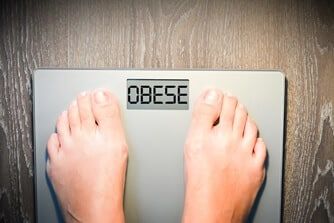
Obesity raises serious health risks, but proven interventions can reverse much of that danger. Even a modest 5 to 10 percent loss improves blood pressure, blood sugar, and cholesterol. The strongest results come from combining nutrition, activity, behavior change, and, when needed, medication under physician supervision rather than relying on any single quick fix.
Obesity has climbed steadily over the past few decades, and it is now one of the most common chronic conditions in the United States. It is well known that the prevalence of obesity has reached epidemic proportions, and that the disease is linked to serious health risks, illness, and even early death. The encouraging news is that proven obesity interventions exist, and the right plan can lower those risks in a meaningful way. For many people, a structured physician-guided medical weight loss program brings the diet, behavior, and clinical support together in one place.
What does obesity mean, and why does it matter?
Obesity is defined as having a Body Mass Index (BMI) of 30 or greater, and it has long been a major focus of intervention studies. According to Mayo Clinic guidance, a BMI of 30 or higher is considered obesity, and waist size is also checked because fat stored around the middle raises the risk of heart disease and diabetes. The reason this matters is simple: carrying excess weight increases the chance of several health hazards, including:
diabetes mellitus
high blood pressure
heart and lung disease and blood clots
high cholesterol
and sudden cardiac death.
Reducing these risks is the whole point of treatment, and even a small loss can help.
How much weight loss actually makes a difference?
You do not need to reach an ideal number on the scale to see real health gains. Mayo Clinic notes that the first goal is usually a modest loss of 5 to 10 percent of total body weight, which for a 200 pound person means losing only about 10 to 20 pounds. That modest change can begin to improve blood pressure, blood sugar, and cholesterol. This is why setting realistic targets is one of the most important parts of any obesity intervention, and it is a core focus of our broader weight loss programs that pair clinical oversight with steady, sustainable progress.
It is quite clear that obesity is a major health problem, and the most important step in preventing it, or reversing it for someone already affected, is losing the excess weight. Unfortunately, only a small share of people who need to lose weight succeed on their own. A frequently cited mid-twentieth-century literature review found that fewer than 5 percent of people who needed to lose large amounts of weight were successful, which helped drive decades of research into better methods.
What are the main obesity interventions?
Obesity interventions generally fall into four pillars: nutrition therapy, physical activity, behavior change, and medical care. The Obesity Medicine Association describes these four pillars as the foundation of effective, evidence-based treatment, and most plans combine several of them rather than relying on just one.
Several methods of weight reduction have been studied over the years, including:
fasting
lower-calorie balanced diets
behavior modification
pharmacotherapy
surgery
and a combination of these methods.
Unfortunately, many single methods have produced only short-term weight loss and are sometimes accompanied by adverse side effects. Decades of research have shown that lasting results usually come from combining approaches under professional guidance rather than chasing one quick fix.
Diet and nutrition
Reducing calories and building healthier eating habits remain the foundation of treatment. According to the National Institute of Diabetes and Digestive and Kidney Diseases, health professionals most often begin by helping people adopt lifestyle changes, including an eating plan that creates a healthy calorie deficit. Steady, gradual loss is considered safer and easier to maintain than rapid crash dieting.
Physical activity
Movement is the second pillar. The National Heart, Lung, and Blood Institute recommends regular physical activity as part of a treatment plan, and Mayo Clinic suggests that people with obesity aim for at least 150 minutes a week of moderate activity. Even small additions, like taking the stairs or a daily walk, add up over time.
Behavior change
Behavior modification helps people understand the habits, stress, and triggers that contribute to unwanted weight gain. Johns Hopkins Medicine highlights counseling and support as meaningful parts of obesity care, since coping skills and accountability often determine whether changes stick.
Medications and medical care
When diet and exercise alone are not enough, a clinician may add prescription medication. The National Center for Biotechnology Information describes FDA-approved anti-obesity medications, including newer GLP-1 receptor agonists that help regulate appetite and fullness. These medicines are meant to support, not replace, healthy eating and activity, and they work best when prescribed and monitored by a qualified provider.
Why do so many people regain the weight?
Weight regain is common because the body defends its prior weight, and because many programs do not teach lasting habits. Crash diets, fad plans, and unsupervised medication use often produce only temporary results. Mayo Clinic notes that when weight-loss medicines are stopped, people may regain much or all of the weight they lost. This is why ongoing support matters so much.
A medically supervised approach addresses this directly. A doctor-supervised weight loss plan layers nutrition, movement, behavior coaching, and, when appropriate, medication, with regular check-ins to adjust the plan. That structure helps people maintain results rather than ride a cycle of loss and regain.
When should you see a doctor about obesity?
You should talk with a healthcare professional if your BMI is 30 or higher, if you have a weight-related condition like high blood pressure or type 2 diabetes, or if previous efforts to lose weight have not worked. A clinician can rule out underlying causes, set safe goals, and build a personalized plan. Johns Hopkins Medicine points out that professional treatment is especially helpful for people who have not been able to lose weight on their own.
Frequently Asked Questions
What is the most effective treatment for obesity?
There is no single best treatment for everyone. The most effective approach usually combines nutrition therapy, physical activity, behavior change, and, when needed, prescription medication, all guided by a clinician. Combining these pillars and adjusting them over time tends to produce better and more lasting results than any one method alone.
How much weight do I need to lose to improve my health?
A modest loss of 5 to 10 percent of your body weight can meaningfully improve health. For a 200 pound person, that is roughly 10 to 20 pounds. According to Mayo Clinic, this level of loss can begin to lower blood pressure, blood sugar, and cholesterol, even before you reach a so-called ideal weight.
Are weight-loss medications safe?
FDA-approved anti-obesity medications are considered safe for many patients when prescribed and monitored by a qualified provider. They are intended to work alongside diet, exercise, and behavior changes rather than replace them. A clinician reviews your health history and possible side effects before recommending any medication.
How long does it take to see results?
Healthy, sustainable weight loss is gradual, often around one to two pounds per week. Many people notice early improvements in energy and lab values within the first few weeks of a structured plan. Lasting change is measured over months, which is why ongoing support and realistic goals are so important.
Can lifestyle changes alone reverse obesity?
For some people, diet, activity, and behavior change are enough to reach a healthier weight. Others may need added support such as medication or medical supervision. Because obesity is a complex chronic condition, a personalized plan built with a healthcare professional offers the best chance of long-term success.
Ready to take the next step?
Talk with the AgeRejuvenation team about a Medical Weight Loss plan built around your labs and goals.