Red light and near-infrared therapy ease pain by sending healing wavelengths into your tissue, where mitochondria use the energy to calm inflammation, boost circulation, and repair muscle, joint, and soft-tissue damage. It is low-risk, drug-free, and works best over a series of short sessions as part of a guided recovery plan rather than a one-time fix.
Waking up with a stiff back or a sore knee can make even simple tasks feel like a project. Red light therapy for pain relief and tissue regeneration offers a different approach for people who are tired of living around their pain. Instead of relying only on pills or injections, this therapy uses gentle wavelengths of light, including near-infrared light for muscle soreness, to support your body's own repair systems.
At AgeRejuvenation, we use this technology as part of a broader plan to address pain and healing issues at the root, not just cover up symptoms for a few hours. The goal is to help you move with more ease and feel more like yourself again. Our clinical in-office red light therapy for pain and recovery pairs medical-grade devices with a provider who tailors each session to your symptoms.
How Does Red Light Therapy Work for Pain?
Red light therapy works by sending specific red and near-infrared wavelengths into your tissue, where they are absorbed by the mitochondria inside your cells. This extra energy helps cells calm inflammation, repair damage, and improve blood flow, which together can reduce pain over a series of sessions.
Light-based therapies have become a growing area of interest because they help the body repair and regenerate using its own biology. Instead of forcing change with medication, they stimulate the processes that naturally reduce inflammation and rebuild tissue. A clinical review of low-level laser and LED treatment found it offers a non-invasive, drug-free option for both acute and chronic pain, according to research indexed by the National Institutes of Health.
What Is Red Light Therapy and Near-Infrared Light?
Red light therapy, sometimes called photobiomodulation, uses specific red and near-infrared wavelengths that your cells can easily absorb. During a session, LED devices are placed close to your skin so that this light can reach the tissues that need support. You simply sit or lie still while the device does the work.
Inside your cells, the light interacts with mitochondria, which are the tiny energy factories that help fuel healing. When mitochondria receive this extra input, they can produce more cellular energy. That increase can support natural processes such as calming inflammation, repairing tissue, and maintaining healthy blood flow, a mechanism Cleveland Clinic describes as stimulating cell growth and repair. Patients often describe the session as warm and relaxing, without stinging or discomfort.
How Light Reaches Muscles, Joints, and Soft Tissues
Red light tends to work close to the surface, which makes it helpful for skin, soft tissues, and areas that feel tender to the touch. Near-infrared light can travel deeper into the body. It reaches muscles, tendons, and joints that are harder to target with creams or heating pads.
This deeper reach is part of why near-infrared light for muscle soreness has become so interesting in the world of recovery. The light can get to the tissue that is actually complaining, not just the skin on top. When combined with a thoughtful treatment plan, this can support both comfort and function over time.
Does Red Light Therapy Really Help With Pain?
For many people, yes. Research suggests red light and near-infrared therapy can ease pain tied to inflammation, sore muscles, and stiff joints by improving circulation and supporting cellular repair. It is not a cure, but it can be a useful, low-risk part of a recovery plan.
What most patients really want to know is how this therapy feels and whether it truly helps. The benefits of near-infrared and red light therapy extend beyond momentary relief. Regular sessions can help with short-term soreness, chronic pain, and even long-term tissue health.
Near-Infrared Light for Muscle Soreness After Exercise or Injury
Sore legs after a long run or a tight back after a weekend project are common reasons people look into near-infrared light for muscle soreness. In these situations, muscles are working hard to repair tiny areas of strain. Light therapy can support that process by improving local circulation and helping cells use energy more efficiently.
For minor strains or overuse injuries, this added support may translate into less stiffness, reduced swelling, and an easier time getting back to normal movement. It does not replace rest or smart training, but it can become a helpful part of a recovery routine that respects what your body is trying to do.
Supporting Joint Discomfort and Chronic Pain with LED Pain Management
Chronic joint pain often comes from a mix of inflammation, wear and tear, and poor blood flow to the area. LED pain management uses targeted light to address several of these factors at once. As circulation improves, more oxygen and nutrients can reach the tissues that support your joints. At the same time, light can help quiet some of the cellular signals that keep inflammation active, an effect UCLA Health links to reduced pain and inflammation.
People with long-standing knee, hip, or shoulder discomfort often describe a gradual shift. Movements that once felt sharp or tight can become easier and more fluid. While every case is different, LED pain management gives providers another non-drug tool to support comfort without overwhelming the rest of the body.
How Light Therapy May Support Tissue Regeneration Over Time
Pain relief is important, but many patients also want to know whether a therapy helps the tissue itself. Red light and near-infrared wavelengths can encourage the production of collagen and other building blocks your body uses to repair soft tissue. This is especially relevant for tendons and ligaments, which naturally receive less blood flow and often take longer to heal.
Because it stimulates cell production and circulation, UT MD Anderson notes that red light can promote healing and reduce inflammation. Light therapy fits naturally alongside other healing-focused services in our regenerative medicine and recovery program, where the focus is on rebuilding tissue rather than masking discomfort. Over time, consistent sessions may support stronger, more resilient tissue that can handle day-to-day activity with less strain.
What to Expect from LED Pain Management at AgeRejuvenation
Every treatment plan at AgeRejuvenation starts with listening. Understanding your pain pattern and medical background helps your provider choose the right intensity and frequency for your sessions. Here is what most patients can expect when they begin red light therapy at our clinics.
What a Red Light Therapy Session Looks Like
At AgeRejuvenation, red light therapy is delivered in a calm, clinical setting focused on your comfort. Your provider will ask where you feel pain, how long it has been present, and how it affects your daily life. This helps identify which areas to treat and which devices to use.
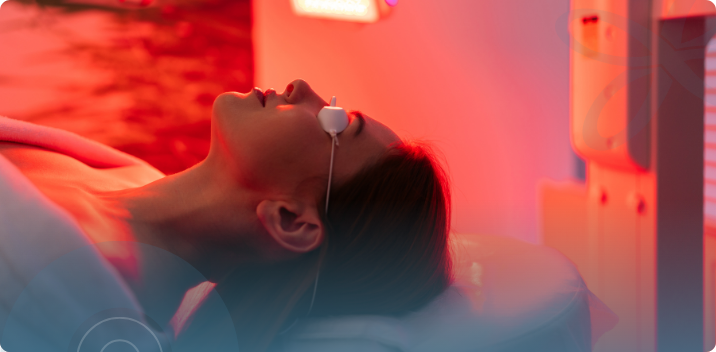
During the session, you may sit or lie on a treatment table while targeted devices are positioned near the problem area. You keep your skin clean and exposed in the treated zone, and protective eyewear is used when needed. Most sessions last between 10 and 20 minutes, and many patients feel only a gentle warmth. If you are weighing your options for chronic pain, our team can explain how medical-grade light therapy for joint and muscle pain fits with the rest of your care.
How Often Should You Use Red Light Therapy for Pain?
There is no single schedule that works for everyone. For acute muscle or joint pain, sessions may be more frequent at the beginning, then spaced out as symptoms improve. For longer-term conditions, your provider may suggest a regular plan that supports steady progress rather than quick, temporary relief.
For ongoing problems, University Hospitals reports that red light therapy is being used to reduce pain and improve quality of life in people managing chronic or acute discomfort. Because treatment is non-invasive and has a low risk of side effects, LED pain management can usually be combined with other therapies, such as physical therapy exercises or gentle strength training, without overloading your system. Your response over the first few weeks helps guide any changes to timing or intensity.
Integrating Light Therapy with Other Pain and Healing Solutions
At AgeRejuvenation, red light therapy is rarely the only tool in the plan. It is often combined with other services that address hormones, metabolism, or structural issues that may be slowing your recovery. When appropriate, your provider may also look at lab results, movement patterns, or lifestyle factors that contribute to pain.
This integrated approach reflects our belief that pain is rarely just a surface problem. By pairing light therapy with other targeted strategies, we aim to support both the symptom you feel and the underlying systems that keep your body resilient over time.
Conclusion
Red light therapy for pain relief and tissue regeneration is not a quick fix, but it can be a valuable option if you want support that works with your body instead of masking every signal. For many people, near-infrared light for muscle soreness, joint discomfort, or slow-healing soft tissues becomes one part of a larger plan to move with more confidence and depend less on medication.
If you are curious whether this kind of therapy fits your situation, the next step is simple. You can review your symptoms, medical history, and goals with an AgeRejuvenation provider and decide together whether LED pain management and related therapies belong in your personal roadmap for lasting relief and better day-to-day function.
Frequently Asked Questions
Does red light therapy really help with pain?
Research suggests it can. Reviews of photobiomodulation show it may reduce both acute and chronic pain, especially pain driven by inflammation, by improving circulation and supporting cellular repair. Results vary by person and condition, so it works best as part of a guided plan rather than a standalone cure.
How long does it take red light therapy to relieve pain?
Some people notice mild relief within the first few sessions, but lasting change usually takes longer. Healing happens at the cellular level, so improvement for long-standing problems is often more noticeable after several weeks of consistent treatment. Acute soreness tends to respond faster than chronic conditions.
Is 20 minutes of red light therapy too much?
For most clinical and at-home devices, sessions in the range of 10 to 20 minutes are typical and well tolerated. The right duration depends on the device and the area being treated, which is why having a provider set your schedule helps you avoid overdoing it while still getting a meaningful dose.
Are there any risks or side effects to red light therapy?
Red light therapy is considered low-risk and non-invasive, and most people feel only gentle warmth. At very high levels, some early research has noted skin redness or irritation, which is one reason supervised, medical-grade sessions with proper eye protection are safer than guessing with a strong home device.
Can red light therapy be combined with other treatments?
Yes. Because it is gentle and non-drug based, it usually pairs well with physical therapy, strength work, and other recovery-focused care. At AgeRejuvenation, it is often layered with services that address hormones, metabolism, or structural issues so your plan supports both the symptom and the underlying cause.
Ready to take the next step?
Talk with the AgeRejuvenation team about a Red Light Therapy plan built around your labs and goals.