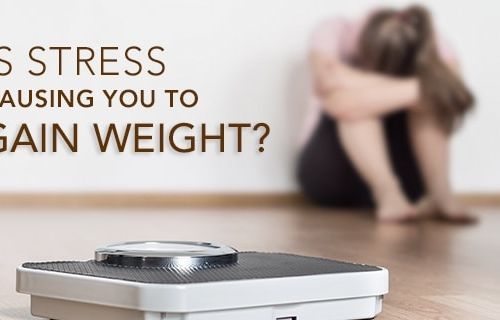
Yes, stress can cause weight gain. Chronic stress keeps the hormone cortisol high, which boosts appetite, drives cravings for sugary and fatty foods, slows metabolism, and stores fat around the belly. Poor sleep makes it worse by disrupting hunger hormones. Protecting sleep, exercising, eating whole foods, and testing cortisol levels help break the cycle.
Stress is one of the most underestimated forces in our lives. Often we do not notice how much we carry until we step back to look at our routines, our pressures, and their long term effects. One very real effect of too much stress is weight gain. When stress goes unmanaged, the body reacts in ways that quietly push the scale in the wrong direction and change the foods we crave.
Stress can come from many corners of life: work, money, relationships, kids, time, and responsibility. It all adds up. When chronic stress is left unaddressed, it disrupts normal bodily functions and nudges us toward less healthy eating habits.
How does stress affect the body and your weight?
Yes, stress can cause weight gain, mainly by raising a hormone called cortisol. When stress stays high, cortisol stays high, and that drives up appetite, fuels cravings for sugary and fatty foods, and tells the body to store more fat around the midsection.
When we feel stress, the body fires up the adrenal glands and shifts hormone levels. Cortisol is one of the body's main fight or flight hormones, and it regulates many parts of daily life. In short bursts that is helpful. The problem starts when stress lingers. The link between long term stress and weight gain is well documented, and elevated cortisol can lower metabolism while encouraging cravings for fatty, sugary food, according to Cleveland Clinic guidance on long term stress and weight.
Excess cortisol over an extended stressful stretch can interfere with sleep, increase fat storage, and prompt the brain to ask for carbs and sugar to help cope. That combination of stronger cravings and a slower metabolism is a recipe for steady weight gain. Research published through the National Institutes of Health on stress induced weight changes notes that stress can alter both food intake behavior and fat storage, which is why so many people see the scale climb during difficult seasons.
Stress is also a recognized trigger in many health problems, often because it releases pro inflammatory chemicals. Sustained stress can raise the risk of cardiovascular issues, contribute to hormone imbalances, and aggravate digestive complaints. For anyone whose weight is creeping up, this is a sign that the body is under real strain, and a tailored physician guided medical weight loss program in Tampa Bay can address the hormonal drivers, not just the calories.
Can stress make you gain belly fat specifically?
It often does. High cortisol, working alongside insulin, signals the body to store extra fat around the abdomen as visceral fat. This is why stress weight tends to settle at the waistline. Cedars-Sinai researchers have reported that higher cortisol in women may lead to anxiety related weight gain and metabolic changes, as outlined in their review of stress and weight gain in women.
Ever hear of people seeming to age years in a short, stressful period? Stress can speed up how the body and mind age. When it runs high, it can dull mental sharpness, tire the body quickly, reduce blood flow to the skin, and slow the production of collagen. It can also create lasting fatigue, because stressed people often lean on extra carbs or caffeine for energy, which leads to an energy crash soon after.
How does poor sleep make stress weight worse?
Poor sleep amplifies stress weight gain by disrupting the hunger hormones leptin and ghrelin, which makes you hungrier and weakens self control around food. Tired bodies also move less, so fewer calories get burned.
Short sleep raises stress hormones and throws appetite signals out of balance, which is one reason it is so closely tied to weight gain. The National Heart, Lung, and Blood Institute on sleep deprivation explains that not getting enough rest is linked to a higher risk of obesity and related conditions. Studies indexed by the National Institutes of Health on short sleep and metabolism also show that even modest sleep loss can shift hunger hormones toward overeating.
How do you fight back against high levels of stress?
The most effective starting points are protecting your sleep, moving your body, and eating whole foods. Each one lowers cortisol, steadies appetite, and helps the body burn energy more efficiently, breaking the stress to weight gain loop.
There are plenty of reasons to get ahead of stress. If healthy habits do not take root early, the body can suffer in ways that are hard to undo.
One of the best ways to equip your body to handle stress is to aim for a minimum of 7 to 8 hours of sleep each night. Stress can lengthen the time it takes to fall asleep and to wake, and it can lower sleep quality overall. Your brain and body both need that downtime to recover from demanding days, so do not shortchange your rest.
Exercise also significantly reduces the effects of stress. When we move, the body releases endorphins, often called the feel good hormones, which improve mood, sleep, and a sense of well being. The American Psychological Association on exercise and stress notes that regular physical activity helps buffer the body against the toll of stress. Raising your heart rate, getting blood flowing, and working the muscles all help counter the unwanted effects of stress.
Eating well matters too. A diet rich in whole, nutrient dense foods avoids loading the body with chemicals and preservatives, boosts energy, and supports overall performance. For many people, pairing these habits with the broader resources of a comprehensive weight loss service in Tampa Bay makes the changes far easier to sustain.
Hormone Therapy and Tests at ageRejuvenation
Cortisol is considered the stress hormone, and when it stays too high for too long, it can lead to adrenal fatigue and even adrenal failure. At ageRejuvenation, we can test cortisol levels and see whether they are contributing to your weight gain. If adrenal fatigue is affecting your health, our board certified practitioners can address the diagnosis through nutrition, supplements, and hormonal modification.
When stress is the hidden driver behind the scale, it helps to know that ongoing stubborn weight gain has identifiable medical causes that testing can uncover. Pinpointing the root cause is what turns frustration into a clear plan.
With offices across Tampa Bay, it is easy to stop into an ageRejuvenation clinic in North Tampa, South Tampa, Brandon, and Westchase / Oldsmar for weight loss treatments, other health conscious procedures, and guidance. Our staff is made up of trained professionals with years of experience in the field.
Stop in and learn how you can take back your health and begin tomorrow as a healthier you.
Frequently Asked Questions
How do you get rid of stress weight gain?
Focus on lowering cortisol with the basics: 7 to 8 hours of sleep, regular movement, and whole foods. Reducing daily stressors and emotional eating helps too. When the weight is stubborn, testing for hormonal causes guides a targeted plan rather than guesswork.
How much weight can you gain from stress?
It varies widely from person to person. There is no fixed number, because stress weight depends on cortisol levels, sleep, eating habits, activity, and how long the stress lasts. The bigger concern is where it lands, since stress tends to add fat around the abdomen.
Can stress make you gain weight without overeating?
Yes, to a degree. Elevated cortisol can slow metabolism and promote fat storage around the midsection even without large changes in eating. Poor sleep linked to stress can also disrupt hunger hormones, so the body holds onto weight more easily.
What are common warning signs of stress weight gain?
Watch for new belly fat, strong cravings for sugary or salty foods, trouble sleeping, low energy, and fatigue that does not improve with rest. Feeling wired but tired and a slowly rising waistline are also common clues that cortisol may be involved.
When should I see a provider about stress related weight gain?
If weight keeps climbing despite healthy habits, or if you have fatigue, poor sleep, and persistent cravings, it is worth getting tested. A provider can check cortisol and other hormones to find the root cause and build a plan suited to your body.
Ready to take the next step?
Talk with the AgeRejuvenation team about a Medical Weight Loss plan built around your labs and goals.