Turmeric's active compound, curcumin, gives this golden spice its antioxidant and anti-inflammatory power. Research links it to calmer inflammation, easier digestion, and support for heart and metabolic health. Because curcumin absorbs poorly alone, pair it with fats and black pepper, and use concentrated extracts under professional guidance, especially if you take medications.
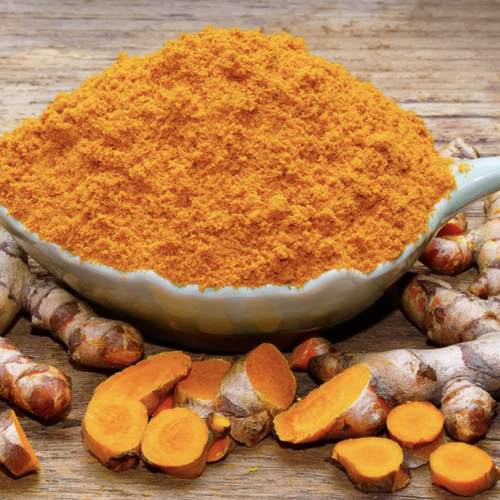
Turmeric is an orange spice often used in Eastern dishes such as curry, and its use dates back thousands of years. It does far more than flavor a meal. The active ingredient in turmeric, called curcumin, gives the spice its golden color and carries most of its health benefits. From calming inflammation to supporting digestion and heart health, turmeric has earned a place in many modern wellness routines. Below we look at what the science actually shows and how to add this superfood to your day in a smart, safe way.
What is curcumin and why does it matter?
Curcumin is the main active compound in turmeric, and it is responsible for the spice's bright yellow tone and most of its studied effects. Johns Hopkins Medicine describes curcumin as giving turmeric strong antioxidant and anti-inflammatory properties, which is why so much research has focused on this single ingredient rather than the whole spice. Plain culinary turmeric contains only a small percentage of curcumin by weight, so the amount you get from seasoning food is modest compared with concentrated extracts. Understanding that difference helps explain why results vary so much from person to person, and why personalized guidance matters when you want a real therapeutic effect.
Does turmeric really fight inflammation?
Yes. Turmeric's best-supported benefit is its anti-inflammatory action, which is why it shows up in so many joint and muscle routines. Curcumin appears to interrupt some of the same inflammatory pathways that over-the-counter pain relievers target, which is why people often reach for it to ease everyday aches.
According to Mayo Clinic, curcumin's anti-inflammatory properties make it a potential aid for conditions such as pain and the reduced movement seen in osteoarthritis, and several studies have compared its effect to common anti-inflammatory medications. Chronic, low-grade inflammation sits behind many long-term health complaints, so a food-based way to help calm it is appealing. If lingering inflammation is part of your story, a tailored plan built around food and lifestyle through structured guidance from a clinical nutrition expert can help you use turmeric as one piece of a larger strategy rather than a stand-alone fix.
Can turmeric help with weight and metabolism?
Turmeric may offer modest support for metabolic health, though it is not a weight-loss shortcut. Research summarized by the National Institutes of Health notes that curcumin has been studied for its role in managing oxidative stress, inflammatory conditions, and features of metabolic syndrome. Because inflammation and metabolic balance are closely linked, calming inflammation may indirectly support a healthier metabolism over time.
That said, no spice replaces the fundamentals of balanced eating, movement, and sleep. Turmeric works best as a supporting player inside a broader plan. The full range of programs across our integrative wellness services is designed to combine nutrition, lifestyle, and clinical support so that small habits like adding turmeric add up to real, lasting change.
How does turmeric support digestion and gut health?
Turmeric has a long history of use for digestive comfort, and modern research is catching up. Curcumin's anti-inflammatory effect extends to the lining of the digestive tract, which is why it has been explored for soothing certain stomach and bowel complaints.
Mayo Clinic notes that curcumin is being investigated for conditions including Crohn's disease and irritable bowel syndrome, both of which involve ongoing irritation of the gut. People who struggle with ongoing gut inflammation sometimes find that anti-inflammatory foods help round out their care. Turmeric is not a cure, but as part of a thoughtful eating pattern it may add value. Always loop in your medical team before relying on it for a diagnosed digestive condition.
What about heart health and antioxidants?
Curcumin acts as an antioxidant, meaning it helps neutralize unstable molecules called free radicals that can damage cells over time. This antioxidant activity is one reason turmeric is studied for protecting cells and supporting healthy aging. Curcumin may also influence cholesterol and triglyceride levels, according to Mayo Clinic, which is relevant for long-term heart health.
It is worth keeping expectations realistic. The Arthritis Foundation points out that the spice turmeric on its own is far less potent than concentrated curcumin, and that quality and dose make a real difference. This is exactly why turmeric belongs inside a guided plan rather than a guessing game.
How do you take turmeric so your body can use it?
The biggest practical challenge with turmeric is absorption, because curcumin is poorly absorbed on its own. Harvard Health notes that curcumin is fat-soluble, so pairing it with a meal that contains healthy fats improves how much your body takes in. Many people also add black pepper, since the piperine it contains is widely reported to boost curcumin uptake.
A few simple habits make turmeric far more useful:
Cook turmeric into dishes that already contain healthy oils or fats.
Add a pinch of black pepper to meals or supplements that include turmeric.
Choose standardized curcumin extracts if you want a therapeutic dose, not just culinary amounts.
Talk with a qualified provider before starting high-dose supplements.
Is turmeric safe for everyone?
Turmeric is generally safe in food amounts, but supplements deserve more caution. Mayo Clinic notes that turmeric and curcumin appear generally safe at moderate intakes, while high doses or long-term use can cause digestive upset and, in rare cases, strain the liver. Supplements are also not tightly regulated, so quality varies between brands.
There are specific situations where you should check with a professional first. Turmeric supplements may interact with blood-thinning medications and with some cancer treatments, so anyone on those therapies should ask their care team before starting. People who are pregnant, breastfeeding, or managing a chronic condition should also seek individualized advice rather than self-prescribing.
Frequently Asked Questions
What are the benefits of turmeric curcumin?
Curcumin, the active compound in turmeric, has antioxidant and anti-inflammatory properties. Research links it to easing joint pain, supporting digestion, protecting cells from oxidative stress, and aiding heart and metabolic health. Most evidence centers on concentrated curcumin rather than small culinary amounts of the spice.
What happens if you take turmeric every day?
Daily turmeric in food amounts is generally considered safe for most adults and may provide steady anti-inflammatory and antioxidant support. With concentrated supplements, however, high or long-term doses can cause digestive upset and, in rare cases, liver strain, so a provider should guide ongoing use.
What should you avoid when taking turmeric curcumin?
Avoid combining turmeric supplements with blood-thinning medications unless your doctor approves, since curcumin may increase bleeding risk. People undergoing chemotherapy should also check first, as it can interact with treatment. Skip very high doses, which may upset the stomach, and choose tested, reputable products.
How can I improve turmeric absorption?
Curcumin absorbs poorly by itself. Pair turmeric with a meal containing healthy fats, since curcumin is fat-soluble, and add a pinch of black pepper, whose piperine is widely reported to boost uptake. Standardized curcumin extracts deliver more active compound than culinary turmeric alone.
Can turmeric help with arthritis or joint pain?
Curcumin may help reduce inflammation and joint discomfort, and some studies compare its effect to common anti-inflammatory medications. The Arthritis Foundation stresses that concentrated curcumin works better than the raw spice and that dose and quality matter. It is best used alongside, not instead of, your regular care plan.
Ready to take the next step?
Talk with the AgeRejuvenation team about a Nutritional Counseling plan built around your labs and goals.