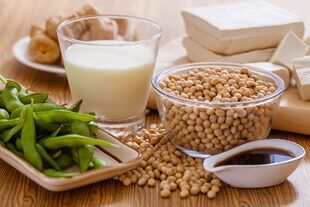
Several studies link regular soy intake, especially tofu and soy milk, to less abdominal fat and a slimmer waistline. The credit goes largely to soy isoflavones plus its fiber and complete protein, which boost satiety. Soy seems especially helpful for post-menopausal women. Swap tofu for fattier proteins and choose whole, non-GMO soy foods.
Soy is best known as a versatile, low-cost, high-quality protein that is vegetarian friendly and delivers the essential amino acids your body needs for strong muscles and normal daily function. Lately it has earned another title worth talking about: belly-fat blaster. A growing body of research points to a consistent link between regular soy intake and a trimmer middle, and that has a lot of people taking a second look at foods like tofu, edamame, and soy milk.
Does soy really help reduce belly fat?
Some research suggests soy can support a smaller waistline, though it is not a magic fix. People who eat more soy products, such as tofu, tend to carry less body fat and have slimmer waistlines than those who eat little or none. In one clinical study, overweight and obese patients who drank soy milk saw a meaningful reduction in waist circumference, suggesting soy can play a real role in trimming the middle when it replaces less healthy choices (National Institutes of Health study).
The effect is modest and works best alongside a balanced diet and regular movement. Soy is not a shortcut around overall calories, but as a swap for fattier proteins it can nudge body composition in a helpful direction. If you are unsure how soy fits your goals, structured guidance from a registered dietitian on building healthier eating habits can turn general advice into a plan that actually fits your life.
What are soy isoflavones and how do they work?
Soy isoflavones are plant compounds, sometimes called phytoestrogens, that are structurally similar to estrogen but act much more weakly in the body (Memorial Sloan Kettering Cancer Center). These compounds are the part of soy most often credited with its effect on stubborn abdominal fat.
According to Jillian Wanik, MS, RD, we can credit the soy isoflavones in tofu, noting that "as few as 70 mg of isoflavones have been shown to create a reduction in belly fat." Beyond isoflavones, soy is also rich in dietary fiber and complete protein, both of which increase satiety and help reduce overall fat mass, which is one reason soy-based foods support a leaner body composition (NIH body-composition trial).
Is soy good for women after menopause?
Soy appears especially helpful for women navigating menopause, a stage when fat tends to shift toward the abdomen. One study showed a reduction in abdominal fat in post-menopausal women who consumed soy protein drinks that provided 20 g of soy protein plus 160 mg of isoflavones each day.
Why does this matter so much during midlife? As estrogen levels fall, many women notice that weight settles around the waist for the first time. Because the isoflavones in soy gently mimic estrogen, soy foods may help counter some of that midsection shift. The wider research on soy and women's health is reassuring overall, with population studies finding soy has either a beneficial or neutral effect on most health outcomes (Harvard T.H. Chan School of Public Health).
Why does belly fat matter beyond appearance?
Belly fat is more than a clothing-size concern. The deep fat packed around your organs, called visceral fat, is metabolically active and linked to a higher risk of heart disease, type 2 diabetes, and other chronic problems (Harvard Health). That is exactly why trimming your waistline is about health, not just looks.
Carrying excess weight around the middle often travels with other concerns, from energy dips to blood sugar swings. If unexplained or stubborn weight gain is part of your picture, it is worth looking at the whole story rather than chasing quick fixes. Smart food swaps like soy are one piece, and a broader plan built around your body and your habits is the rest. Exploring the full range of options at a wellness center focused on metabolic and longevity care can help you connect nutrition with the other tools that move the needle.
How can you add more soy to your diet?
Adding soy is easy and does not require an overhaul of your favorite recipes. Try swapping tofu into your favorite Italian dishes in place of ricotta cheese, or use it in a stir-fry instead of animal protein such as chicken or beef. Edamame makes a quick high-protein snack, and unsweetened soy milk is a simple stand-in for cream in coffee, smoothies, or oatmeal.
One important note: while soy products are healthy and can support decreased abdominal fat, choose non-genetically modified soy protein products when you can. Whole and minimally processed soy foods are generally the best choice, and a personalized nutrition plan can help you find the right amount and form of soy for your goals without guesswork.
Frequently Asked Questions
How much soy should I eat to see a benefit?
Research on belly fat has used a range of amounts, including roughly 70 mg of isoflavones and, in one post-menopausal study, 20 g of soy protein plus 160 mg of isoflavones per day. For most people, one to a few servings of whole soy foods daily fits comfortably into a balanced diet. A clinician or dietitian can help tailor the amount to you.
Will soy raise my estrogen levels?
Soy isoflavones are plant compounds that are structurally similar to estrogen but act far more weakly in the body, and they are not the same as the estrogen your body makes. For the average person, eating whole soy foods does not meaningfully raise estrogen, but talk with your doctor if you have specific hormone concerns.
Is tofu better than other soy products for belly fat?
Tofu is a popular choice because it is high in protein, low in calories, and easy to swap into many recipes. That said, other whole soy foods like edamame, tempeh, and unsweetened soy milk offer similar benefits. The bigger factor is choosing whole, minimally processed soy over heavily refined or sugary soy products.
Can soy alone help me lose weight?
No single food will melt away fat on its own. Soy can support a slimmer waistline when it replaces fattier proteins and fits into an overall balanced, calorie-aware diet paired with regular activity. Think of soy as a helpful tool within a larger plan rather than a standalone solution.
Should I avoid genetically modified soy?
Many people prefer non-genetically modified soy protein products and whole soy foods to keep their choices as natural as possible. If this matters to you, look for labels indicating non-GMO or organic soy. Either way, prioritizing whole soy foods over highly processed versions is a smart habit.
Ready to take the next step?
Talk with the AgeRejuvenation team about a Nutritional Counseling plan built around your labs and goals.