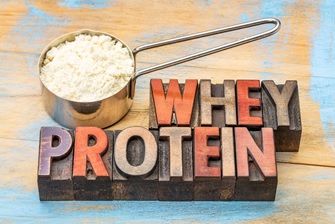
Whey protein supports fat loss, not just muscle gain. Its branched-chain amino acids boost satiety and insulin sensitivity, while balancing hunger and stress hormones. In a calorie deficit, whey helps shift weight loss toward fat and preserves lean muscle, keeping metabolism higher. Used as a low-calorie snack or post-workout shake, isolate is the leanest choice for healthy, lasting weight management.
Most people think of whey protein as a muscle-building supplement, and it is. But a growing body of research shows that this familiar shake can do something else surprising: help you lose fat while protecting the lean muscle you already have. Below, we break down how whey works, what the science says, and how to fit it into a smart weight management plan.
Does whey protein actually help with fat loss?
Yes. Whey protein supports fat loss by curbing hunger, raising the energy your body burns to digest food, and preserving lean muscle while you eat in a calorie deficit. It is not a magic powder, but as part of a reduced-calorie plan it can shift more of your weight loss toward fat instead of muscle.
Protein supplementation is beneficial for gaining muscle mass when consumed following exercise, but new research indicates that whey protein can actually enhance fat loss. In fact, it has been reported that whey protein can help reduce belly fat more so than other protein sources due to its high branched-chain amino acids (BCAAs). A higher protein intake also carries a larger thermic effect of food, meaning your body spends more energy digesting protein than it does on carbohydrates or fat, which gives a modest metabolic edge during weight loss.
How do BCAAs in whey support a leaner body?
Whey protein (100 grams) contains about 24 grams of BCAAs, which has been associated with improved insulin sensitivity and satiety (fullness). That means it helps regulate blood glucose levels and reduce the risk of diabetes while also reducing hunger signals and caloric intake. Whey is especially rich in leucine, the amino acid that most strongly triggers muscle protein synthesis, so whey delivers a higher concentration of these key amino acids than many other protein sources.
This matters because better blood sugar control is closely tied to easier fat loss. If you struggle with stubborn weight or blood sugar swings, learning more about how the body responds when cells stop reacting normally to insulin can help you understand why a high-protein, lower-glycemic approach works so well.
How does whey protein balance "weight loss" hormones?
Whey protein also modulates several hormones that are important to a structured, physician-guided weight loss program and healthy weight management (thyroid hormone, cortisol, insulin, ghrelin). Recent studies have shown that consuming whey protein isolate (60 grams per day) evaluated over six months resulted in significantly lower hyperinsulinemia (less fat storage potential), lower cortisol levels (less inflammation and more lean muscle preservation), and increased ghrelin release (satiety enhancement).
Hormones are the quiet drivers behind the scale. When insulin, cortisol, and hunger signals are out of balance, fat tends to accumulate, especially around the midsection. Research on dairy proteins shows that whey can influence the appetite hormones that tell your brain you are full, which helps explain why a whey shake often takes the edge off cravings. Balancing the "weight loss" hormones promotes fat reduction, and whey protein is very effective in balancing those important regulatory hormones.
What does the research say about whey and body fat?
A study in Nutrition & Metabolism reported that participants on whey protein supplementation lost more weight than the control group, in conjunction with a low-calorie diet, primarily the result of losing body fat (6.1% reduction). In that randomized clinical trial, whey supplement users lost significantly more body fat and held onto more lean muscle than the control group, even though both groups followed the same 500-calorie reduction.
The takeaway is not just that people lost weight, but the kind of weight they lost. Preserving lean muscle keeps your resting metabolism higher, which makes long-term weight maintenance easier. This is why protein quality matters so much during dieting, and why simply cutting calories without enough protein often backfires.
Why does whey help preserve lean muscle while dieting?
When you lose weight, you want to lose fat, not muscle. Whey provides a fast-absorbing, complete amino acid profile that signals your body to keep building and maintaining muscle, even when total calories are low. That muscle-sparing effect is the difference between looking toned and simply looking smaller. It is also why protein needs often rise during a diet rather than fall, because the body becomes more likely to break down muscle for fuel when energy is restricted.
Since whey protein is nutrient-dense but lower in energy (4 calories per gram), it may be the perfect fat-loss supplement for weight reduction while preserving lean muscle mass. Of course, supplements work best alongside whole foods. Authorities at Harvard emphasize choosing high-quality protein sources and looking at the whole food package, so a shake is meant to complement meals like eggs, fish, and lean meats, not replace a balanced diet.
How should you use whey protein for fat loss?
Use whey as a tool, not a crutch. A typical approach is one scoop (about 20 to 30 grams of protein) blended with water or unsweetened milk, used as a snack replacement or after a workout to support recovery. Choosing whey isolate keeps calories, carbs, and lactose low, which suits a fat-loss phase well. Pairing the shake with a fiber source and plenty of water can extend that feeling of fullness even further, helping you stretch the time between meals without reaching for high-calorie snacks.
If your goal is meaningful, lasting fat loss, the smartest move is to pair protein with a complete strategy. Our range of supervised weight loss services combines nutrition guidance, body composition tracking, and medical support so your protein habits actually translate into results you can keep.
Frequently Asked Questions
Does whey protein get rid of belly fat?
Whey does not target belly fat directly, but it supports overall fat loss that tends to reduce visceral and abdominal fat. Its high BCAA content, satiety effect, and influence on insulin and cortisol all help your body burn stored fat when you are in a calorie deficit, with the midsection often responding noticeably.
Is whey protein isolate better than concentrate for weight loss?
For a fat-loss phase, isolate is usually the better pick. Isolate is filtered to remove most carbs, fats, and lactose, so it delivers more protein per calorie and is gentler for people sensitive to dairy sugar. Concentrate is more affordable and still effective, just slightly higher in calories per serving.
When is the best time to take whey protein for fat loss?
Timing is flexible, and total daily protein matters most. Many people use a shake as a mid-morning or afternoon snack to curb hunger, or right after exercise to support muscle recovery. Replacing a high-calorie snack with a whey shake is one of the simplest ways to cut calories while staying full.
How much whey protein should I take to lose fat?
Most adults do well with one to two scoops daily, roughly 20 to 50 grams, as part of a total intake that supports muscle while you diet. The exact amount depends on your body size, activity level, and goals, so individualized guidance from a clinician helps you avoid under- or over-doing it.
Can whey protein replace a meal?
A whey shake can stand in for a meal occasionally, especially when blended with fiber-rich additions like spinach or chia for staying power. For everyday eating, it works best as a supplement to whole-food meals rather than a full replacement, since whole foods provide fiber, micronutrients, and lasting fullness a shake alone cannot match.
Ready to take the next step?
Talk with the AgeRejuvenation team about a Medical Weight Loss plan built around your labs and goals.