Vitamin B-12 powers red blood cell production, nerve health, mood, and energy by helping the body turn food into fuel. It does not directly cause weight loss but supports a healthy metabolism. Older adults, vegans, and people with gut issues are most at risk of deficiency. Injections offer the best absorption when levels run low.
Vitamin B-12 is one of those nutrients you rarely think about until your energy dips, your focus fades, or your weight will not budge. This water-soluble vitamin quietly powers some of the body's most important jobs, from making red blood cells to keeping your nerves healthy. Here is a plain-language look at what B-12 does, who tends to run low, and the most effective ways to keep your levels where they belong.
What does vitamin B-12 actually do in the body?
Vitamin B-12 helps your body make healthy red blood cells, build DNA, and support healthy nerve cells. According to Mayo Clinic guidance on vitamin B-12, it is also known as cobalamin and is essential for normal nerve function. When levels run low, the effects show up across your whole system.
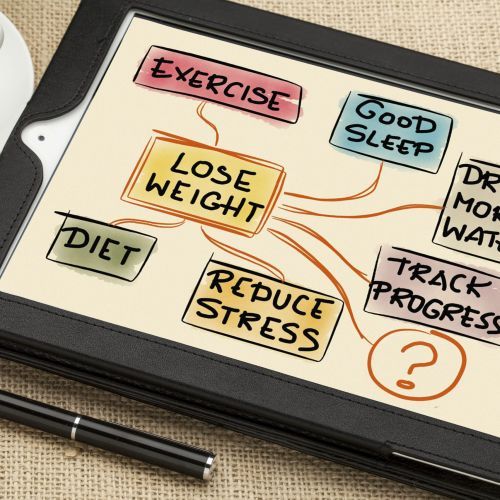
B-12 is a water-soluble nutrient that occurs naturally in animal products such as some fish, poultry, and lean red meats. This vitamin does not directly cause weight loss, but it can support it by helping the body properly metabolize protein and fat. Efficient metabolism means your food is used as fuel rather than stored, and that steadier energy makes it easier to stay active. If your goal is a healthier body composition, B-12 plays a supporting role inside a well-rounded medical weight loss plan rather than acting as a standalone fix.
B-12 also aids in:
Increasing nerve health and function
Supporting mood through normal brain chemistry
Producing red blood cells
Increasing mental clarity and acuity
The body cannot make its own B-12, which is why Harvard's Nutrition Source notes it must come from food or supplements. Because plant foods do not naturally supply it, the vitamin needs to be replenished regularly through what you eat or what you supplement.
How does B-12 affect your energy and metabolism?
B-12 supports energy by helping convert the food you eat into usable fuel, which is why people with a deficiency often feel drained. The NIH Office of Dietary Supplements explains that because of its role in energy metabolism, B-12 is often promoted as an energy enhancer, though the biggest gains show up in people who were genuinely low to begin with.
That metabolic link is why B-12 shows up so often in weight and wellness conversations. When your body metabolizes protein and fat efficiently, you tend to store less and move more. A clinician-guided program of nutrient injection therapy for sustained energy can help correct a shortfall quickly so the rest of your plan, including nutrition and activity, has a stronger foundation. These same tools sit inside our broader medical weight loss and metabolic support services, where care is matched to your labs and goals rather than guesswork.
What are the signs of low vitamin B-12?
Common signs of low B-12 include ongoing fatigue, weakness, brain fog, mood changes, tingling in the hands or feet, and a pale appearance. These symptoms develop gradually, so many people write them off as normal aging or simple stress.
Persistent tiredness is one of the most recognizable red flags. If you feel wiped out no matter how much you sleep, low B-12 may be part of the picture, and it is worth ruling out alongside other causes of unexplained chronic fatigue and low energy. As Yale Medicine points out, B-12 plays a vital role in orchestrating key body functions, so a shortfall can ripple into focus, mood, and stamina at the same time.
Because symptoms overlap with so many other conditions, a simple blood test is the only reliable way to confirm a deficiency. Guessing rarely works, and self-dosing without knowing your numbers is not a good strategy.
Who is most likely to be deficient in B-12?
People most at risk for low B-12 include older adults, those who follow vegetarian or vegan diets, and anyone with digestive conditions that limit absorption. The risk rises with age because the body absorbs the vitamin less efficiently over time.
Several groups deserve extra attention:
Older adults, whose absorption naturally declines
Vegetarians and vegans, since plant foods lack natural B-12
People who have had stomach or intestinal surgery
Those with celiac disease, Crohn's disease, or similar gut conditions
People taking certain long-term medications that reduce absorption
The NHS notes that B-12 helps the body make red blood cells and keep the nervous system healthy, so any group that struggles to absorb it can see those systems affected first. If you fall into one of these categories, it is reasonable to monitor your levels rather than assume your diet has you covered.
Why are B-12 injections more effective than pills?
B-12 injections are often more effective than pills because they deliver the nutrient straight into the bloodstream, bypassing the digestive system and allowing for maximum absorption. For people whose gut does not absorb the vitamin well, this route can make a meaningful difference.
This nutrient can be taken via tablet, sublingual, liquid, food, or injection. The most efficient of these is the injection, as it allows the body to use the full dose without losing some to digestion. Oral options still work well for many people, but if you have an absorption issue or a confirmed deficiency, a shot is usually the more reliable choice.
If you wish to optimize with food, B-12 can also be found in lean beef, lamb, turkey, eggs, mollusks, salmon, yogurt, and some breakfast cereals. A varied diet that includes these foods, paired with testing when symptoms appear, is a sensible baseline for most people.
Frequently Asked Questions
How quickly does a B-12 shot start working?
Many people notice a lift in energy within a few days of a B-12 injection, especially if they were deficient. The exact timing varies based on how low your levels were and your overall health. Lasting benefits usually build over a series of doses rather than a single shot.
Can vitamin B-12 help me lose weight?
B-12 does not cause weight loss on its own, but it supports the metabolism of protein and fat and helps maintain steady energy. That makes it easier to stay active and stick with a plan. It works best as one part of a structured nutrition and activity program, not as a quick fix.
Is it safe to take B-12 every day?
For most people, B-12 is considered safe because it is water-soluble and excess amounts are largely passed in urine. Still, very high doses are not right for everyone, so it is best to confirm your levels and dosing with a healthcare professional rather than guessing.
What foods are highest in vitamin B-12?
The richest sources are animal products, including lean beef, lamb, turkey, eggs, salmon, mollusks, and yogurt. Some breakfast cereals are fortified with B-12, which helps people who eat little or no meat. Plant foods do not naturally contain the vitamin.
Should I get my B-12 levels tested?
Testing is a smart move if you have ongoing fatigue, brain fog, tingling, or mood changes, or if you fall into a higher-risk group. A simple blood test confirms whether you are low and guides whether food, oral supplements, or injections make the most sense for you.
Ready to take the next step?
Talk with the AgeRejuvenation team about a Vitamin Injections plan built around your labs and goals.