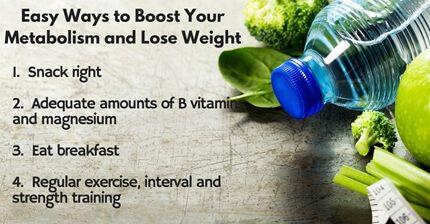
Boosting your metabolism for weight loss comes down to consistent, natural habits rather than quick fixes. Eat protein rich snacks and breakfast, get enough B vitamins and magnesium, add strength and interval training, sleep well, and stay hydrated. Lean muscle and steady fueling raise the calories you burn at rest, helping you lose weight and keep it off.
One of the major factors in healthy weight loss is your basal metabolic rate, the energy your body burns at rest. Keep that engine running well across your lifespan and weight management gets easier. While this idea is well known, many people struggle to find out how to increase metabolism in a way that feels natural and sticks. The good news is that several simple, effective habits can speed up metabolism, help you lose weight, and keep it off. Just follow these easy rules and you can move toward your weight loss goals.
What is metabolism and can you really speed it up?
Metabolism is the process your body uses to turn the food you eat into the energy that powers everything from breathing to walking. According to Mayo Clinic guidance on how the body burns calories, your metabolic rate is shaped by muscle mass, body size, age, and sex, so a large share of it is fixed. You cannot fully reinvent your metabolism, but you can support it with smart daily habits and lean muscle. For a tailored plan, the team behind our in-clinic metabolism boosting program can help match these habits to your body.
Why does snacking the right way help your metabolism?
Smart snacking helps jump start your energy burning mechanism by giving the body a fuel boost, and it can curb the overeating that often leads to weight gain. The trick is pairing the right foods. Try to include healthy carbohydrates and protein in each snack, such as peanut butter and an apple. The protein and carbohydrate combination helps regulate blood sugar, energy levels, and feelings of fullness, so you are less likely to reach for a second helping later.
Eating on a steady schedule also matters. Crash dieting and skipping meals can actually slow your metabolism, because the body adapts to fewer calories by conserving energy. Steady, modest fueling keeps your engine working without sending it into storage mode.
How do B vitamins and magnesium support metabolism?
B vitamins are key players in metabolism because they help your cells convert food into usable energy. Inadequate amounts of B6, B12, folate, thiamin, and niacin can slow the body's metabolism, contribute to weight gain, and raise the risk for chronic disease. Foods high in the B vitamins include spinach, asparagus, beans, melon, broccoli, fish, poultry, and eggs.
Magnesium is a mineral needed by every cell in your body and is used in more than 300 biochemical reactions, including energy metabolism. Excellent sources of magnesium include halibut, nuts, soybeans, whole grains, oatmeal, legumes, and dark green leafy vegetables. If you suspect a shortfall, ask a clinician before reaching for supplements, since most over the counter "metabolism pills" lack solid evidence and can cause side effects.
Does eating breakfast really boost metabolism?
A balanced breakfast can help wake up your metabolism for the day and may reduce the risk of obesity and diabetes. After an overnight fast, energy use is usually at its lowest, and eating in the morning gives the body a signal to start working. Make it a healthy morning with whole wheat toast and peanut butter, or egg whites and vegetables with plain rolled oatmeal.
Protein at breakfast is especially useful. Your body burns extra energy just to digest protein, an effect called the thermic effect of food, and protein also keeps you fuller longer so you snack less before lunch. Pairing protein with fiber rich whole grains gives you steady energy instead of a mid morning crash. Persistent fatigue or stubborn unexplained weight gain despite good habits can signal an underlying issue worth checking with a clinician.
How does exercise increase your metabolic rate?
Movement is one of the most reliable ways to support a healthy metabolism. Interval training is a great way to pump up calorie burn and make workouts more fun. Short bursts of high intensity effort can burn more calories and lift your metabolic rate faster than a steady traditional workout, and they create a brief afterburn that keeps you burning energy once you stop.
Strength training is just as important. Resistance work combats the age related decline in metabolism, reduces fat mass, and builds muscle, and muscle tissue burns more calories at rest than fat does. Harvard Health notes that pairing protein intake with weight training supports metabolism over time. For general fitness, the Centers for Disease Control and Prevention recommends at least 150 minutes of moderate aerobic activity each week plus muscle strengthening on two or more days. These habits are the foundation of any medically guided weight loss service, where a clinician can fine tune them to your needs.
What else slows your metabolism?
Two everyday factors quietly drag metabolism down: poor sleep and chronic stress. Short or low quality sleep disrupts the hormones that regulate appetite and energy, which can encourage fat storage and cravings. Aim for steady, sufficient rest most nights. Mild dehydration can also make the body less efficient at burning calories, so drinking water throughout the day is a simple, no cost habit. As MedlinePlus from the National Library of Medicine explains, there is no magic shortcut, but consistent healthy habits give your metabolism the best chance to work in your favor.
Frequently Asked Questions
How do I speed up my metabolism to lose weight?
Focus on the basics that have the most evidence: build lean muscle with strength training, eat enough protein, move throughout the day, sleep well, and stay hydrated. There is no single trick, but stacking these habits raises the calories you burn at rest and supports steady, lasting weight loss.
What foods help boost metabolism?
Lean proteins like fish, eggs, poultry, and Greek yogurt take more energy to digest, which gives a small metabolic lift. B vitamin rich foods such as spinach, beans, and broccoli and magnesium rich foods like nuts, whole grains, and leafy greens support the cellular reactions that turn food into energy.
Does drinking water actually increase metabolism?
Staying well hydrated helps your body process calories efficiently, and even mild dehydration can make calorie burning less effective. Water has no calories, so swapping sugary drinks for water is an easy way to support both metabolism and overall weight goals.
Can you boost metabolism without exercise?
Some lifestyle habits help even without formal workouts, including eating protein, not skipping meals, getting enough sleep, managing stress, and staying hydrated. That said, exercise, especially strength training, is the most powerful lever because muscle raises the calories you burn at rest.
Do metabolism boosting supplements work?
Most over the counter metabolism pills lack strong scientific support and may cause unwanted side effects. Health authorities advise caution and recommend focusing on proven habits instead. If you are considering any supplement, talk with a qualified clinician first so it fits your health and medications.
Ready to take the next step?
Talk with the AgeRejuvenation team about a Metabolism Boosters plan built around your labs and goals.