Female orgasmic disorder means ongoing trouble reaching orgasm, or weak orgasms, despite enough stimulation. Causes blend hormones, circulation, nerve health, medications, and emotional factors. AgeRejuvenation evaluates the whole picture, then layers options like hormone and thyroid support, regenerative tissue therapies such as platelet-rich plasma, and peptide and wellness care to help restore comfort, confidence, and a more satisfying sexual response.
If you are experiencing difficulty achieving orgasm, you might feel confused, worried, or even a little alone. Female orgasmic disorder is more common than many women realize, and it can show up even when desire, arousal, and attraction are still present.
At AgeRejuvenation, providers look at the full picture of your health, from hormones and circulation to mood and stress, and offer female pleasure therapy options designed to support comfort, confidence, and a more satisfying sexual response.
What Is Female Orgasmic Disorder?
Female orgasmic disorder refers to ongoing problems reaching orgasm, or feeling very reduced intensity, even with adequate stimulation. You may feel your body respond, notice lubrication and swelling, and still find that climax never arrives or feels muted. Clinicians sometimes use the term anorgasmia, which describes delayed, infrequent, absent, or much less intense orgasms after enough sexual stimulation, according to Mayo Clinic guidance on anorgasmia in women.
This concern often overlaps with other types of female sexual dysfunction, such as low arousal, discomfort with penetration, or decreased sensitivity over time. For many women, giving the problem a name is the first step toward looking for help instead of blaming themselves or avoiding intimacy.
When Difficulty Achieving Orgasm Becomes a Pattern
It is normal for sexual experiences to vary. On some days, orgasm may feel easier to reach, and on others it may not happen at all. Female orgasmic disorder is different because it involves a repeated pattern that lasts for months and causes significant distress. When difficulty achieving orgasm appears again and again, it can be a sign that something deeper is happening.
You might recognize yourself if:
You used to climax more easily but now need much more time or stimulation.
You can reach orgasm alone but not with a partner, or the other way around.
You feel your body building toward orgasm, then the sensation fades before you get there.
If this pattern has been present for a while and is affecting your self-esteem or your relationship, it is important to discuss it with a provider who understands female sexual health.
How Orgasm Works in the Body and Brain
An orgasm is not just a single muscle contraction. It is a response that involves your nervous system, your hormones, your circulation, and how safe and relaxed you feel in the moment.
A healthy orgasm usually depends on several pieces working together, including:
Strong blood flow to the clitoris, vagina, and surrounding tissue.
Nerves that can carry sensations clearly and consistently.
Hormones that support desire, mood, and sensitivity.
A relaxed, safe state of mind that allows you to focus on pleasure.
When one or more of these areas is out of balance, orgasm can start to feel distant or difficult to reach, even when desire and arousal are still present.

Why You May Be Experiencing Difficulty Achieving Orgasm
Orgasmic difficulties rarely come from just one cause. For most women, there is a mix of physical, hormonal, emotional, and relationship factors happening at the same time. Taking the time to understand those layers makes it much easier to choose the right care instead of guessing or trying random solutions.
Physical and Medical Factors
Changes in the body can shift how you experience sensation, pressure, and pleasure. Some of the most common physical contributors include:
Menopause or perimenopause, which affect estrogen levels, lubrication, and blood flow.
Hormone imbalances, including thyroid issues, that reduce energy and sensitivity.
Nerve changes after childbirth, pelvic surgery, or certain medical conditions.
Diabetes or other vascular problems that limit circulation to the genital area.
These physical contributors are well recognized in clinical references. The Cleveland Clinic overview of sexual dysfunction notes that chronic conditions, hormonal changes, and reduced blood flow can all interfere with arousal and climax. These issues often show up together with other concerns like vaginal dryness, low energy, or weight changes, which is why AgeRejuvenation looks at the whole picture instead of treating orgasm in isolation.
Emotional and Relationship Influences
Your mind is deeply involved in your sexual response. Guilt, shame, or fear rooted in past experiences can make it hard to relax and let go, even if you trust your partner. Daily stress, anxiety, and worry also pull attention away from your body. The American Sexual Health Association points out that relationship problems, mistrust, and communication gaps can directly interfere with sexual satisfaction.
Relationship dynamics matter as well. If you feel rushed, unseen, or unable to talk about what you enjoy, your body may respond by shutting down or staying stuck at a low level of arousal. Addressing these emotional and relational pieces is often just as important as any medical treatment.
Medications, Aging, and Lifestyle
Some common medications can reduce sensitivity or make climax more difficult. According to Mayo Clinic, blood pressure drugs, antihistamines, antipsychotics, and antidepressants such as SSRIs can all inhibit orgasm. Aging, chronic pain, poor sleep, and a sedentary lifestyle can also dull sexual response gradually over time.
This does not mean you have to choose between your health and your sexuality. It means your plan should be personalized, with a provider who is willing to review your medications, habits, and symptoms together instead of treating them as separate issues.
What Treatments Help Enhance Sexual Response?
What treatments help enhance sexual response? At AgeRejuvenation, care for female orgasmic disorder starts with a careful evaluation of your hormones, circulation, medications, and overall health, then matches you with targeted options. Evidence supports a layered approach that may combine education, counseling, medical review, and tissue-focused therapies rather than a single fix.
Established medical guidance reflects this. A peer-reviewed review of psychological and behavioral treatment for female orgasmic disorder found that psychological treatment can help many women gain or regain the ability to have orgasms, which is why emotional and relational support sits alongside the physical work at AgeRejuvenation.
Hormone and Thyroid Optimization for Sexual Response
For many women, hormones are a key reason orgasm begins to feel distant. Perimenopause, menopause, birth control, and thyroid problems can change lubrication, sensitivity, and energy. AgeRejuvenation uses lab testing to evaluate estrogen, progesterone, testosterone, and thyroid function, then may recommend hormone replacement therapy or thyroid support when needed.
The goal is to help your body feel more balanced and responsive so difficulty achieving orgasm is not working against you in every intimate encounter.
Regenerative Therapies to Support Sensation and Blood Flow
Some women still notice reduced sensation or a weaker response, even when hormones look balanced. In these cases, the regenerative medicine approaches offered at AgeRejuvenation can support the tissues involved in arousal and climax by encouraging healthier circulation and recovery.
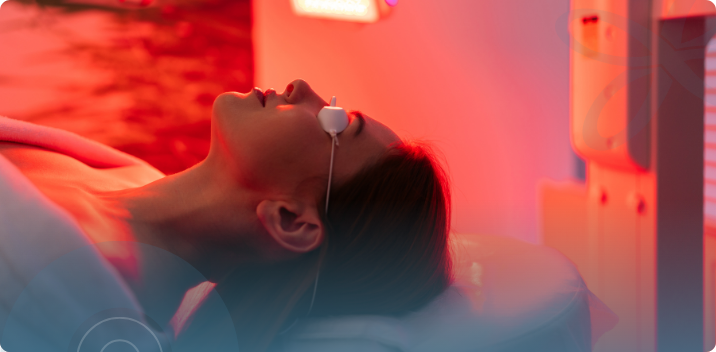
One option is platelet-rich plasma therapy that uses your own blood to nourish tissue. This treatment, the same biology behind the O-Shot for women, is designed to support nerve and blood vessel health in the genital area. Stem cell therapy, red light therapy, and PEMF therapy may be added to improve local circulation and tissue recovery. Because strong blood flow to the clitoris and surrounding tissue is part of a healthy response, a tissue-focused regenerative protocol that targets sensation and circulation can be a meaningful piece of your plan. For concerns such as laxity, dryness, or discomfort, vaginal rejuvenation options can be included to support both comfort and sexual function.
Wellness and Peptide Support for Energy, Mood, and Confidence
Sexual response is closely linked to how you feel day to day. Fatigue, poor sleep, and high stress can make intimacy feel like one more task. To address this, your provider may suggest peptide therapy together with wellness and longevity services such as IV therapy or vitamin injections.
These treatments are designed to support energy, mood, and mental clarity, which makes it easier to be present in your body and benefit from other interventions.
Frequently Asked Questions
Is there a medicine to help a woman climax?
There is no single pill that guarantees orgasm. According to MedlinePlus, care usually focuses on rest, pelvic exercises, education, and treating underlying issues. A provider may also review medications, adjust hormones, or add tissue-focused therapies based on your evaluation.
How long does it take to see improvement?
Timelines vary because each woman has a different mix of causes. Hormone and lifestyle changes may take several weeks to settle, while regenerative tissue work and counseling often build gradually. Your provider sets realistic expectations after reviewing your labs, history, and symptoms.
Can menopause cause difficulty reaching orgasm?
Yes. Menopause and perimenopause lower estrogen, which can reduce lubrication, sensitivity, and blood flow to genital tissue. These changes can make orgasm feel distant or muted. Hormone support and tissue-focused therapies are often used together to address this.
Are regenerative therapies safe for sexual concerns?
Regenerative treatments such as platelet-rich plasma use your own blood components to support tissue health, which lowers the risk of an allergic reaction. As with any procedure, candidacy depends on your health history, so a thorough provider evaluation comes first.
When should I talk to a provider about this?
Talk to a provider when difficulty reaching orgasm lasts for months and causes distress or strains your relationship. Mayo Clinic advises reaching out whenever you have concerns about your ability to have an orgasm, rather than waiting and hoping it resolves on its own.
Conclusion
Female orgasmic disorder can quietly erode confidence and strain relationships, but it is not something you have to accept as a permanent part of life. With the right evaluation and a thoughtful, personalized plan, difficulty achieving orgasm can be addressed in a way that respects both your health and your emotional well-being.
At AgeRejuvenation, female pleasure therapy, hormone support, and regenerative treatments are combined with compassionate expertise so you feel heard, informed, and actively involved in each step of your care.
If you are ready to talk about what you are experiencing and explore real options, you can schedule an appointment with us to review your symptoms, ask questions, and design a plan that fits your goals. You deserve to feel comfortable, confident, and connected in your own body, and there is help available to get there.
Ready to take the next step?
Talk with the AgeRejuvenation team about a PRP Therapy plan built around your labs and goals.