Microdermabrasion is a gentle, minimally invasive treatment that buffs away the dead outer layer of skin to smooth texture, fade hyperpigmentation, and brighten the complexion with little to no downtime. It works best on surface concerns, suits most skin tones, and delivers lasting tone and texture improvement through a series of sessions plus daily sun protection.
Microdermabrasion is a skincare treatment that utilizes a mildly abrasive instrument designed to gently remove the thicker, uneven outer layer of skin. Typically accompanied with an anti-aging product, its goal is to remove the outermost layer of skin, the stratum corneum, exposing the new, fresh layer of skin underneath. This removal of the top layer improves or alleviates the appearance of hyperpigmentation, fine lines, acne, scars, and wrinkles.
What is microdermabrasion and how does it work?
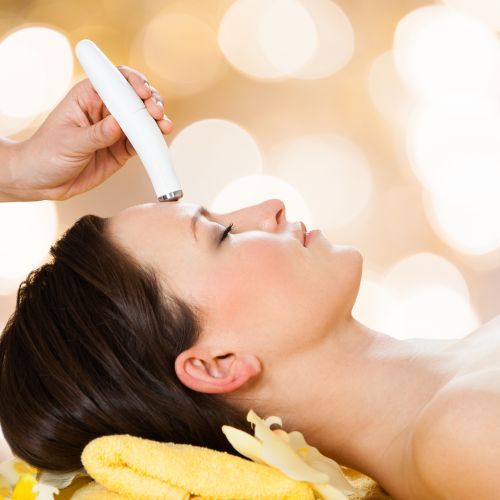
Microdermabrasion is a minimally invasive resurfacing treatment that uses a handheld device to buff away the outermost layer of dead skin cells. According to the American Academy of Dermatology guidance on this in-office procedure, the device gently removes the top layer of skin and you may feel a sanding sensation, but it is not painful. Most devices work in one of two ways. A crystal handpiece sprays fine crystals across the skin and vacuums them away along with the loosened cells, while a diamond-tipped wand sands the surface directly. Either way, the controlled exfoliation triggers your skin to renew itself, which is the foundation of nearly every benefit people notice afterward.
The skin is now much more readily available to soak up whatever nutrients or medications you apply following treatment. This also allows for a much smoother and cleaner application of makeup on the new, fresh layer of skin. When this top layer of skin is removed, blood flows to the area with nutrients stimulating collagen production and creating thicker, younger-looking skin.
What skin concerns does microdermabrasion treat?
Microdermabrasion works best on surface-level concerns. Research published in the National Institutes of Health StatPearls review of epidermal resurfacing describes it as a treatment used for uneven skin tone and texture, photoaging, stretch marks, melasma, and superficial scars. The American Society of Plastic Surgeons overview of cosmetic resurfacing options adds that it can improve age spots, blackheads, and patches of darkened skin while exfoliating for a fresher appearance.
Because it stays at the surface, microdermabrasion is a gentle starting point for people who want smoother, brighter skin without downtime. It pairs well with deeper renewal treatments for those who want more dramatic texture correction, which is why many patients begin here and graduate to a collagen-stimulating option like our SkinPen microneedling treatment for skin texture and scarring once they understand how their skin responds.
Is microdermabrasion good for your face?
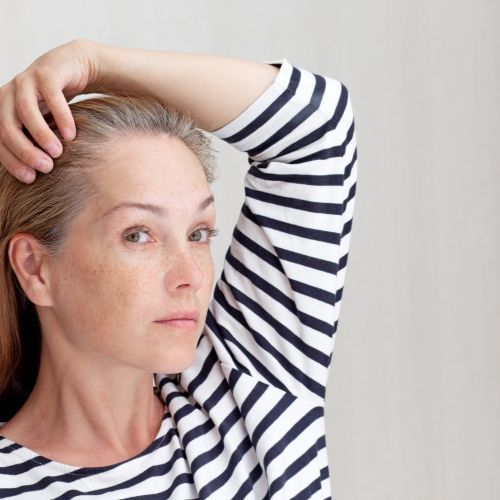
Yes, microdermabrasion is well suited for the face because the skin there is thin, frequently exposed to sun, and quick to show dullness. The treatment evens tone, refines the look of pores, and leaves the complexion smoother. The Cleveland Clinic explanation of how this exfoliation reveals brighter skin notes that it can reduce the appearance of fine lines, age spots, and light scars over a series of sessions.
It is also one of the more forgiving aesthetic treatments. Because it is chemical-free and light-free, it suits most skin tones and many sensitive skin types. Still, a consultation matters. People with active acne flares, rosacea, or very reactive skin should be evaluated first, since aggressive exfoliation can irritate already inflamed skin. If breakouts are your main concern, our team often coordinates microdermabrasion with a broader plan for managing persistent and recurring acne so the surface work supports, rather than fights, the underlying issue.
How does microdermabrasion compare to other treatments?
Microdermabrasion sits at the gentle end of the resurfacing spectrum. It removes only the dead outer layer, so it carries little to no downtime, but it also produces subtler, more gradual results than deeper options. Chemical peels use acids to reach further into the skin, and microneedling creates controlled micro-channels that prompt collagen rebuilding at a deeper level.
Think of microdermabrasion as maintenance and glow, and the deeper modalities as correction. Many people use microdermabrasion between more intensive sessions to keep skin smooth and primed for product absorption. To see how these treatments fit together within a single plan, it helps to explore our full menu of medical spa aesthetic treatments in Tampa and match a service to your specific goals during a consultation.
What results can you expect, and how long do they last?
Many people notice an immediate glow because the dull surface layer is gone and light reflects more evenly off fresh skin. The deeper benefits, such as improved tone and texture, build with repeated treatments. The University of Utah Health description of esthetic microdermabrasion explains that the procedure can give skin a brighter appearance, lessen discoloration, and renew overall tone and texture.
Results are temporary because your skin constantly regenerates. A single session refreshes the surface, but lasting improvement usually requires a series spaced a few weeks apart, followed by occasional maintenance. Protecting the new skin with daily sunscreen helps preserve the results and prevents fresh sun damage from undoing your progress.
How should you care for your skin after microdermabrasion?
After treatment your skin is more sensitive and more receptive, so aftercare is straightforward but important. Keep the skin hydrated, avoid harsh scrubs or strong actives for a few days, and apply broad-spectrum sunscreen every morning. The freshly exposed layer is more vulnerable to ultraviolet damage, and protecting it is the single most useful habit for keeping results.
This is also the ideal window to apply your serums and moisturizers, since the barrier of dead cells is gone and products penetrate more deeply. Be gentle, stay consistent, and let your skin settle before adding new treatments.
Frequently Asked Questions
Does microdermabrasion hurt?
No, microdermabrasion is generally painless. Most people describe a mild scratching or sanding sensation along with light suction as the device passes over the skin. There is no need for numbing cream, and you can typically return to your normal routine the same day with only minor, temporary redness.
How often should you get microdermabrasion?
Most people benefit from a series of sessions spaced two to four weeks apart, which gives the skin time to renew between treatments. After the initial series, many maintain results with a session every month or two. Your provider can recommend a schedule based on your skin type and goals.
How long do microdermabrasion results last?
A single treatment can brighten the skin for a few weeks, but the effect fades as your skin naturally sheds and regenerates. Longer-lasting improvement in tone and texture comes from a series of sessions plus ongoing maintenance and daily sun protection to preserve the fresh surface.
Is microdermabrasion good for older skin?
Microdermabrasion can help aging skin look brighter and smoother by removing built-up dead cells and encouraging cell turnover. It softens the look of superficial fine lines and uneven tone. For deeper wrinkles or significant laxity, it is usually combined with collagen-stimulating treatments for stronger results.
What are the disadvantages of microdermabrasion?
The main drawbacks are that results are temporary, multiple sessions are often needed, and it cannot correct deep wrinkles or severe scarring. Some people experience mild redness, dryness, or temporary sensitivity afterward. It is not ideal for active acne, rosacea, or very reactive skin without a prior evaluation.
Ready to take the next step?
Talk with the AgeRejuvenation team about a SkinPen Microneedling plan built around your labs and goals.