TB-500 is a synthetic fragment of thymosin beta-4 studied for tissue repair. It may help cells migrate to injured areas, boost blood flow, and ease stubborn scar tissue that limits motion after surgery or sports injuries. At AgeRejuvenation it is one guided option, weighed against your full health picture rather than used as a stand-alone fix.
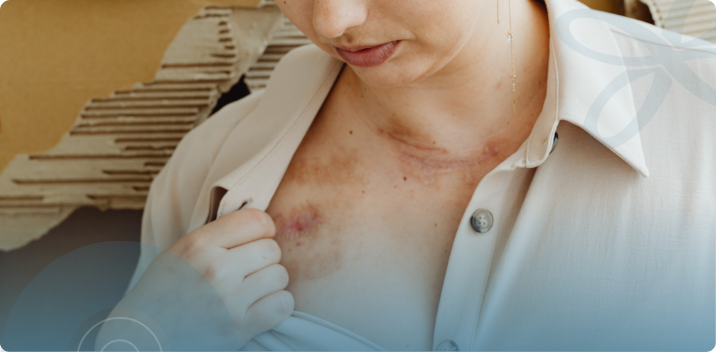
Scar tissue can do more than change how an injury looks. It can pull on nearby structures, limit your range of motion, and keep you from feeling "back to normal" even long after the original wound has closed. For people in this situation, a peptide for scar tissue is not about vanity. It is about comfort, function, and getting their life back.
In regenerative medicine, TB-500 has become one of the most talked-about tools for people who want more than basic wound care and are interested in thoughtful recovery support as part of a bigger plan. At AgeRejuvenation, TB-500 is considered in the context of your full health picture, not as a shortcut or stand-alone fix.
Why Does Scar Tissue Hold You Back?
Scar tissue can limit movement because the body repairs injuries quickly rather than perfectly. Fibroblasts rush in and lay down collagen to close the gap, which can leave a patch that feels thick, tight, or ropey instead of smooth and flexible.
This rapid patch job is a normal part of how wounds heal. During repair, fibroblasts produce collagen to rebuild the area, but that early collagen is often disorganized compared with healthy tissue, which is one reason scars can feel stiff, according to research on the stages of wound healing. In some people this is only a small cosmetic issue. In others, the scar can limit joint motion after surgery or a sports injury, cause pulling or pain with certain movements, or create adhesions that affect muscles, tendons, or even nearby nerves.
Traditional options like massage, stretching, and physical therapy remain very important. In more stubborn cases, regenerative approaches are added to nudge tissue away from stiffness and closer to normal function. The way scars mature and remodel over months helps explain why some respond to added support while others stay rigid, a process described in reviews of scar formation and tissue remodeling. That is where TB-500 enters the conversation.
How Does TB-500 Support Tissue Repair?
TB-500 may support tissue repair by helping cells move toward injured areas and by encouraging better blood supply to healing tissue. It is a synthetic fragment related to thymosin beta-4, a natural protein found in many tissues involved in healing.
TB-500 is a synthetic version of part of thymosin beta-4, and at AgeRejuvenation it is viewed as a multifaceted option that may support repair in muscles, tendons, ligaments, and other soft tissues, not just the surface of the skin. One practical advantage is how easily it moves through the body. Because of its size and the way it travels through tissue, TB-500 does not have to be injected directly into the injury or scar to have an effect, which makes it easier to include in treatment plans while still targeting problem areas. Patients exploring this option often start by reviewing how TB-500 peptide therapy for soft tissue recovery is structured around individual goals.
Supporting Cell Movement and Blood Flow
Healthy repair depends on getting the right cells to the right place at the right time. Thymosin beta-4 binds to actin, a key structural protein inside cells, and this interaction is thought to help cells move and reorganize, an effect detailed in research on thymosin beta-4 in tissue repair. At the same time, thymosin beta-4 has been shown to promote angiogenesis, the growth of new capillaries that carry oxygen and nutrients to healing tissue, in studies on thymosin beta-4 and wound repair.
Better circulation and cell migration can create a more active repair zone. For people dealing with old, tight scars, this increased activity is one reason TB-500 is being explored as part of a strategy aimed at gentle remodeling instead of simply accepting a rigid patch of tissue.
What Conditions Might TB-500 Help Address?
TB-500 may be discussed for soft tissue damage, joint discomfort, and recovery from strenuous activity, though it is always added after a careful review of your history, symptoms, and goals. People often ask about this peptide for scar tissue and other concerns that affect how they move, feel, and recover.
Some of the situations where this option may come up include:
Joint discomfort, where calming inflammation around joints may support more comfortable movement.
Concerns related to blood flow, since thymosin beta-4 is linked with vascular support and new vessel growth.
Soft tissue damage, such as strained muscles, tendons, or ligaments that need support during healing.
Ongoing health conditions that place repeated stress on tissues over time.
Changes in muscular function, including recovery after intense training and support for healthy muscle repair.
In many of these cases, the goal is to protect flexibility, support healthier tissue, and help you stay active in daily life. Because TB-500 is one of many tools, your provider may compare it with other options across the full peptide therapy program for recovery and longevity before deciding what fits.

What Are the Advantages of TB-500 with AgeRejuvenation?
TB-500 can be part of a wider plan to relieve discomfort, improve mobility, and support recovery. Your care team looks at how this therapy fits your overall goals so you can work toward feeling better, moving better, and aging better with a clear path forward.
Some of the advantages discussed with patients include enhanced recovery from injuries that affect muscles, tendons, ligaments, and other soft tissues, support for a calmer inflammatory response in irritated areas, and improved flexibility when scar tissue is limiting how you move. Because scars can pull on surrounding structures and restrict motion, easing that tightness is a common goal, a concern echoed in patient education from Cleveland Clinic on scars.
A guided plan may also include nutrition guidance and other supportive therapies depending on your goals and lab results. The focus is always on building a program that makes sense for your body rather than pushing a single option. For many active patients, that means pairing TB-500 with a structured rehab routine so the tissue has the best chance to remodel well.
When Might TB-500 Be Considered?
TB-500 is one option that may be added after a careful review of your history, symptoms, and goals. Situations where this peptide may be discussed include post-surgical scars that restrict motion or feel thick and painful, old sports injuries with lingering stiffness and soft tissue adhesions, and discomfort linked to scarred or fibrotic tissue that has not responded well to basic care.
In these cases, the aim is to support healthier tissue, protect your range of motion, and help you return more comfortably to the activities that matter to you. Because every recovery is different, the decision to use TB-500 is made one person at a time, with realistic expectations set up front.
Frequently Asked Questions
Does TB-500 help with scar tissue?
TB-500 is studied for its ability to support cell movement, blood flow, and a calmer inflammatory response, which may help tissue remodel rather than stay stiff. While it is not a guaranteed scar treatment, many people explore it for stubborn scar tissue that limits motion after surgery or injury when basic care has not been enough.
How long does TB-500 take to work?
Timing varies widely from person to person and depends on the injury, your overall health, and the rest of your recovery plan. Some people notice changes in comfort or mobility over several weeks, while deeper tissue remodeling can take longer. Your provider can set realistic expectations based on your specific situation and goals.
What is the difference between TB-500 and BPC-157?
Both are peptides explored for recovery, but they come from different sources and may work through different pathways. TB-500 is related to thymosin beta-4 and is associated with cell migration and blood vessel support, while BPC-157 is studied for soft tissue and gut-related repair. A provider can explain how each might fit your needs.
Does TB-500 have to be injected near the injury?
Not necessarily. One reason TB-500 is popular in recovery plans is how easily it travels through the body. Because of its size and movement through tissue, it does not have to be injected directly into the injured or scarred area to reach problem zones, which can make treatment plans more flexible.
Is TB-500 right for everyone?
No. TB-500 is one of many tools and is only considered after a careful review of your history, symptoms, and goals. Some people are better served by physical therapy, other peptides, or different regenerative options. The best way to know is a personalized evaluation with a qualified medical team.
Conclusion
For the right person, a peptide for scar tissue like TB-500 may offer another way to work on mobility, comfort, and function when standard care has not gone far enough. Its potential effects on cell movement, blood flow, and inflammation make it an interesting tool in modern regenerative medicine, especially when paired with thoughtful strategies such as structured rehab and other restorative therapies.
If you are living with scar tissue that holds you back, you do not have to sort through every option on your own. When you feel ready, sit down with a team that focuses on science-backed, personalized care to decide whether this peptide-based approach belongs in your plan or if other options would serve you better at this stage of healing.
Ready to take the next step?
Talk with the AgeRejuvenation team about a TB-500 Peptide Therapy plan built around your labs and goals.