Thyroid stimulating hormone (TSH) is a pituitary hormone that signals your thyroid and acts like a metabolic thermostat. A simple blood test reveals whether your thyroid is balanced: a high TSH points to an underactive thyroid, while a low TSH points to an overactive one. Results are read alongside your symptoms to guide care.
The thyroid stimulating hormone, often measured by a simple blood test, helps your provider find out whether your thyroid gland is working the way it should. Known as TSH for short, it is one of the most useful clues to how you feel day to day. Sluggishness and unexplained weight gain are two of the most common concerns tied to thyroid trouble, and a single number can point the way toward answers.
What is thyroid stimulating hormone (TSH)?
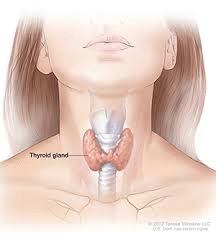
TSH is a hormone made by your pituitary gland, a small structure at the base of your brain. Its job is to signal the thyroid in your neck to release the hormones that set your metabolism. Because TSH is the first-line screening test for both an underactive and an overactive thyroid, changes in it often show up before other thyroid numbers shift, according to physiology reviews published by the National Library of Medicine. That early-warning quality is exactly why doctors lean on it first.
Think of TSH as a thermostat. When thyroid hormone runs low, the pituitary pushes out more TSH to turn the heat up. When thyroid hormone runs high, the pituitary eases off. This inverse relationship is the key to reading your results, and it is why our thyroid support program for women always starts with a clear look at your TSH.
What is a normal TSH level?
For most non-pregnant adults, a normal TSH range falls roughly between 0.4 and 4.5 milli-international units per liter, though some experts argue the most optimal range sits lower. The Cleveland Clinic notes that reference ranges also shift with age and with each lab. Your single number only tells part of the story.
Several factors can move what counts as normal for you:
Pregnancy calls for lower, trimester-specific targets.
Age matters, since older adults can run naturally higher.
Medications and recent illness can temporarily change your reading.
A history of thyroid cancer may lead your doctor to aim for a suppressed level.
This is why results are always read alongside your symptoms and, when needed, follow-up testing.
What does a high TSH level mean?
A high TSH level usually means your thyroid is underactive, a condition called hypothyroidism. The pituitary is working overtime, pumping out more TSH to coax a slow thyroid into making enough hormone. The UCLA Health endocrine team explains that an elevated TSH is the classic signal of an underactive gland.
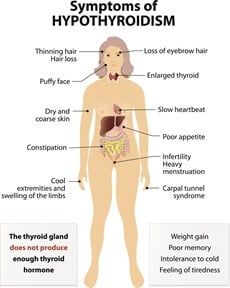
When the thyroid lags, your whole system slows with it. Common symptoms of a high TSH include:
Fatigue and low energy
Weight gain that resists diet and exercise
Feeling cold more easily than others
Dry skin and thinning hair
Low mood or brain fog
If these sound familiar, an evaluation for an underactive or overactive thyroid can help connect your symptoms to a clear cause instead of leaving you guessing.
What does a low TSH level mean?
A low TSH level points the other direction, toward an overactive thyroid, or hyperthyroidism. Here the pituitary slows TSH production because there is already too much thyroid hormone in your bloodstream. As MedlinePlus describes, a TSH that is too high or too low can both be signs of a thyroid problem that deserves a closer look.
Symptoms of a low TSH and an overactive thyroid often include a racing heartbeat, unexplained weight loss, feeling hot or sweaty, shakiness, and trouble sleeping. The pattern is essentially the opposite of an underactive thyroid, which is one more reason testing is so helpful: the same fatigue or mood change can stem from very different thyroid states.
How is TSH tested and what comes next?
TSH is checked with a routine blood draw, and it is the best single starting point for measuring thyroid function. The American Thyroid Association describes a TSH measurement as an early-warning system for thyroid changes. If your result falls outside the expected range, your provider will weigh it against how you feel.
When a follow-up is warranted, additional blood tests may be ordered, such as free T4, free T3, or thyroid antibodies that help identify autoimmune causes. From there, a personalized plan can be built. To explore testing, lab review, and ongoing care for hormone-related concerns, our women's health clinic services bring these pieces together under one roof so nothing slips through the cracks.
If your thyroid turns out to be fine yet you still feel sluggish or are gaining weight, your diet and physical activity may be the next thing to reevaluate with your provider. Results vary by individual, so a treatment plan should always be tailored to you.
Frequently Asked Questions
What levels of TSH are considered concerning?
Most labs treat a TSH above roughly 4.5 or below 0.4 as outside the typical adult range. Readings well above 10 or well below 0.1 tend to draw more attention. Your provider interprets any number alongside your symptoms and may repeat the test before acting.
How will you feel if your TSH is high?
A high TSH often goes with an underactive thyroid, so you may feel tired, cold, and foggy, and you might gain weight despite no change in habits. Dry skin, thinning hair, and low mood are also common. These signs can build slowly over months.
Can a high TSH cause fatigue?
Yes. When TSH is high, your thyroid is usually underactive and producing too little hormone to keep your metabolism humming. That slowdown commonly shows up as persistent tiredness and low energy, even after a full night of sleep. Treating the underlying thyroid issue often improves it.
Is it better to have a low or high TSH level?
Neither extreme is ideal. A high TSH usually signals an underactive thyroid, while a low TSH usually signals an overactive one. The goal is a balanced level inside the range your provider sets for you, since the right target can vary with age, pregnancy, and your health history.
How often should TSH be checked?
That depends on your situation. People with no thyroid concerns may only need occasional screening, while anyone on thyroid medication or managing a diagnosed condition is usually monitored more closely. Your provider will recommend a testing schedule based on your symptoms, your results, and any treatment you are receiving.
Ready to take the next step?
Talk with the AgeRejuvenation team about a Thyroid Support plan built around your labs and goals.